Track record

Work we have delivered and published.

Browse the figures on each card with the arrows. Open a project for what we did, who we did it with, and the papers.

2022 – 2025

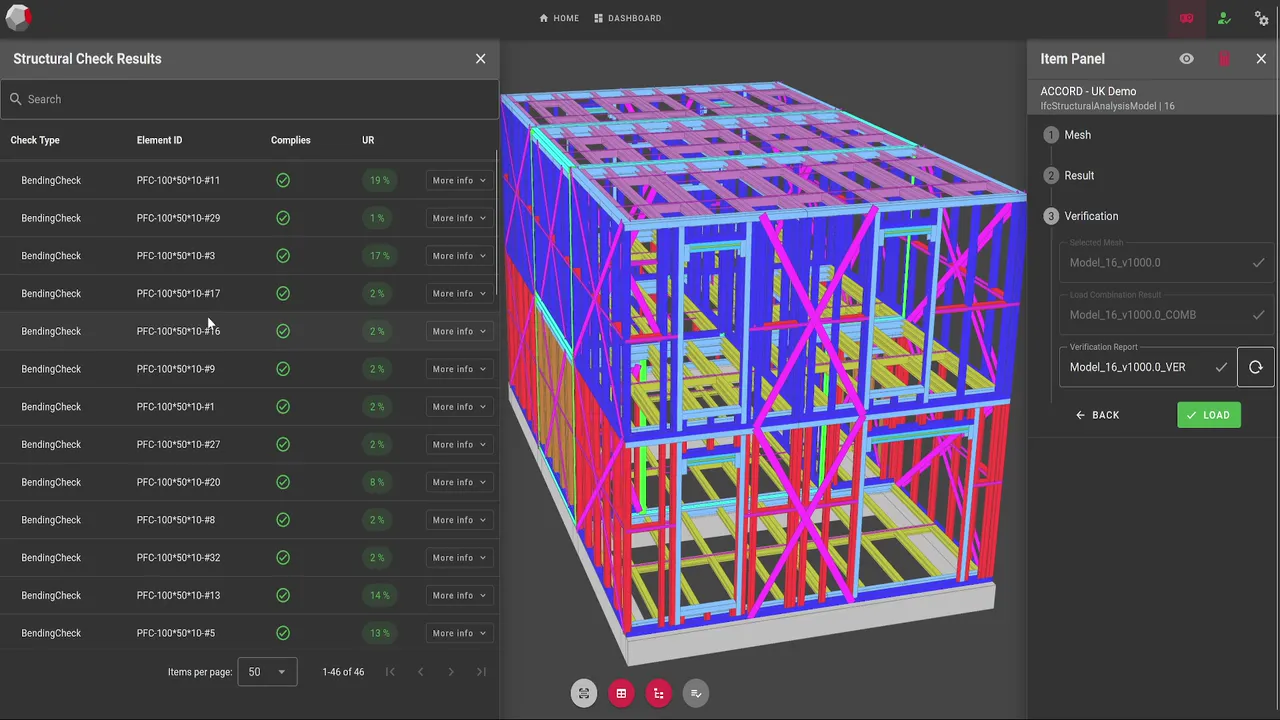
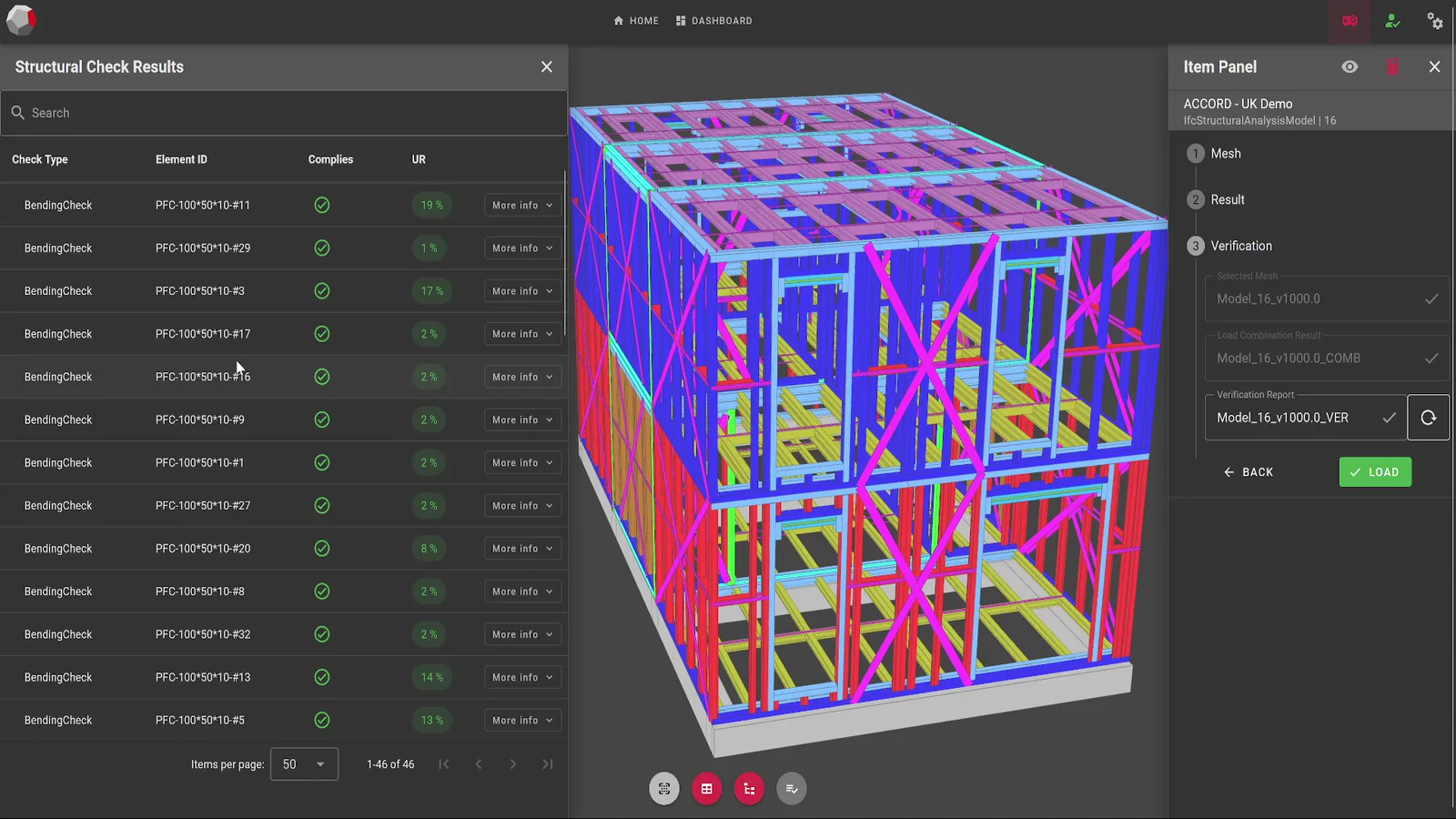
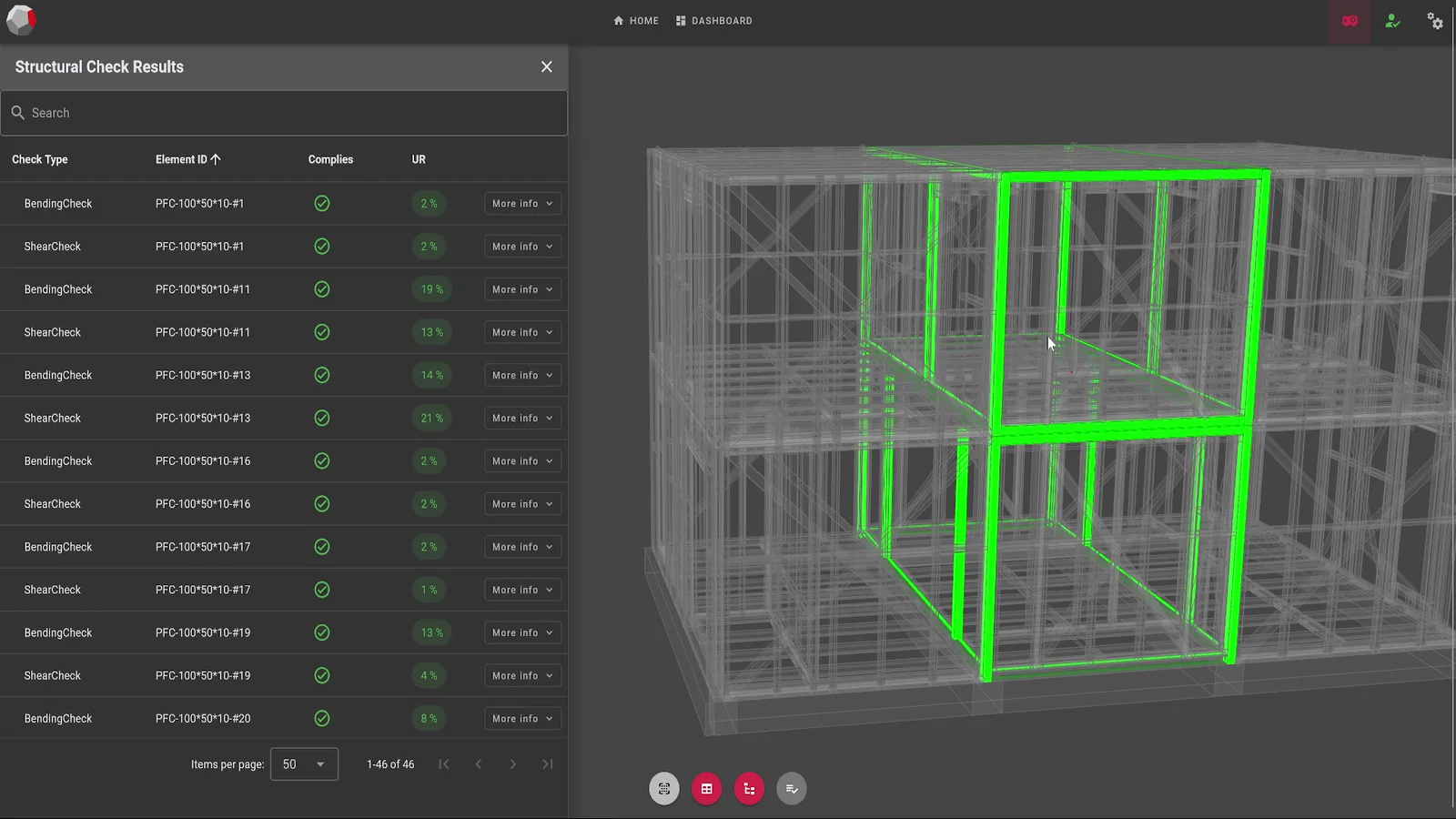
ACCORD: Eurocode 3 verification App

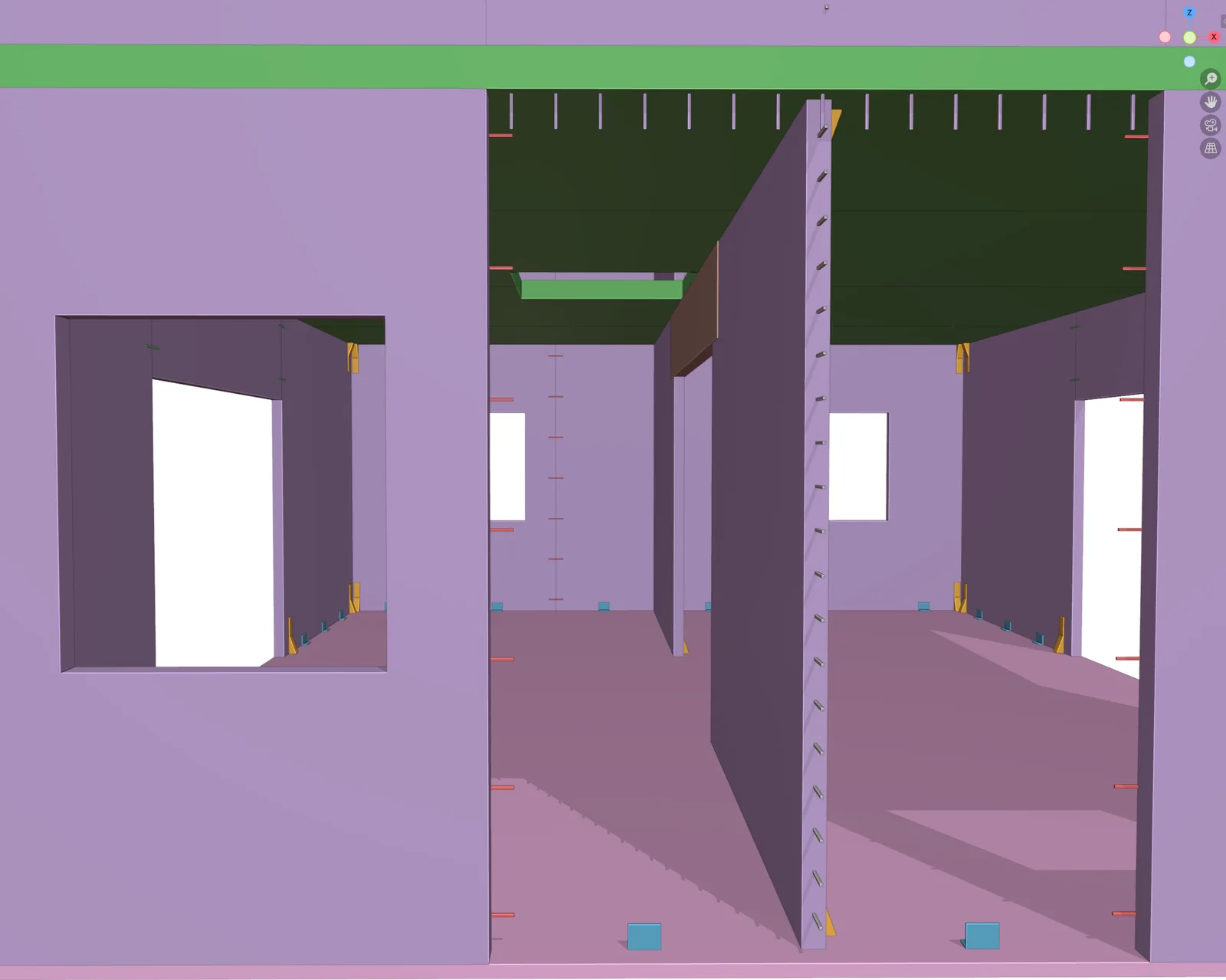
Structural compliance on the UK pilot of a Horizon Europe project: a BIM model goes in, and out comes a report naming which steel members meet Eurocode 3.

Structural complianceStructural IFCcode_asterHorizon Europe

This project has received funding from the European Union’s Horizon Europe research and innovation programme under grant agreement no. 101056973. UK Participants in Horizon Europe Project ACCORD are supported by UKRI grant numbers 10040207 (Cardiff University), 10038999 (Birmingham City University) and 10049977 (Building Smart International).
2020 – 2025

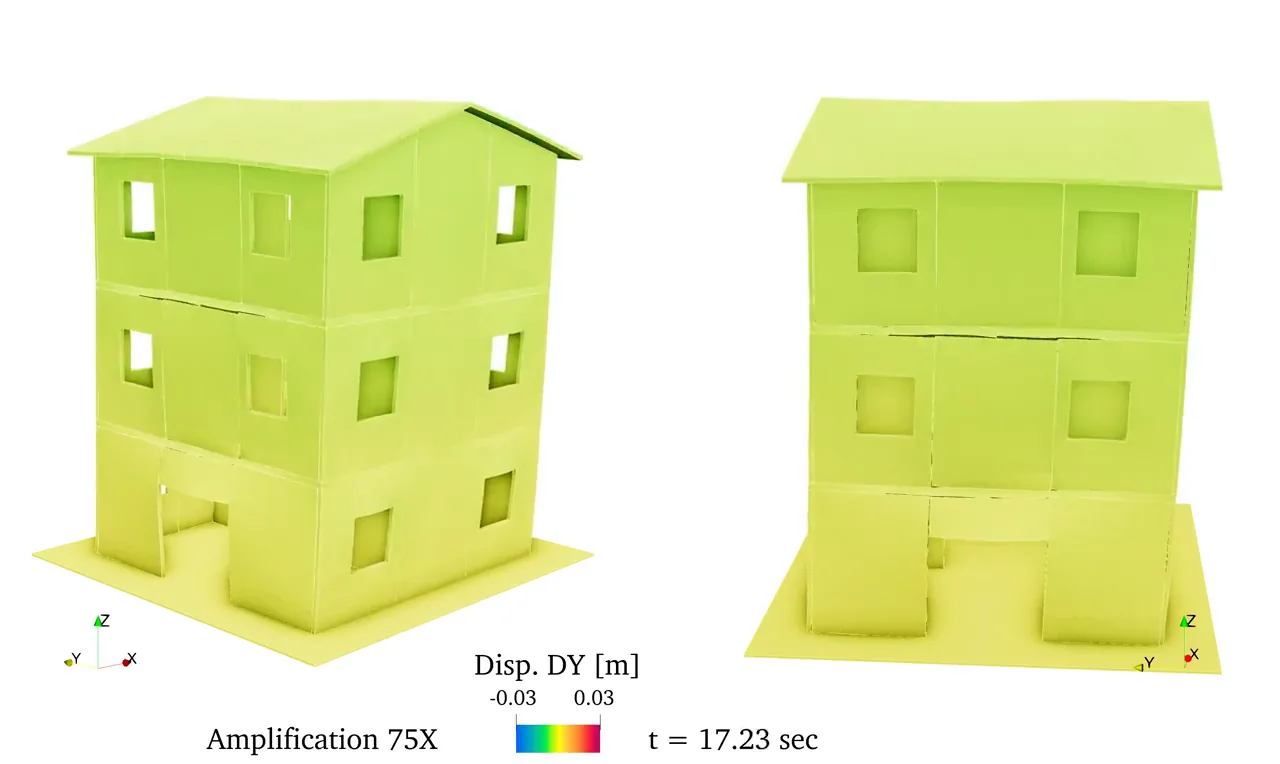
CLT seismic response

Nonlinear dynamic analysis checked against low-amplitude shake-table data.
Internal R&DNonlinear dynamicsContact & frictionValidated at low amplitude
2018 – 2020

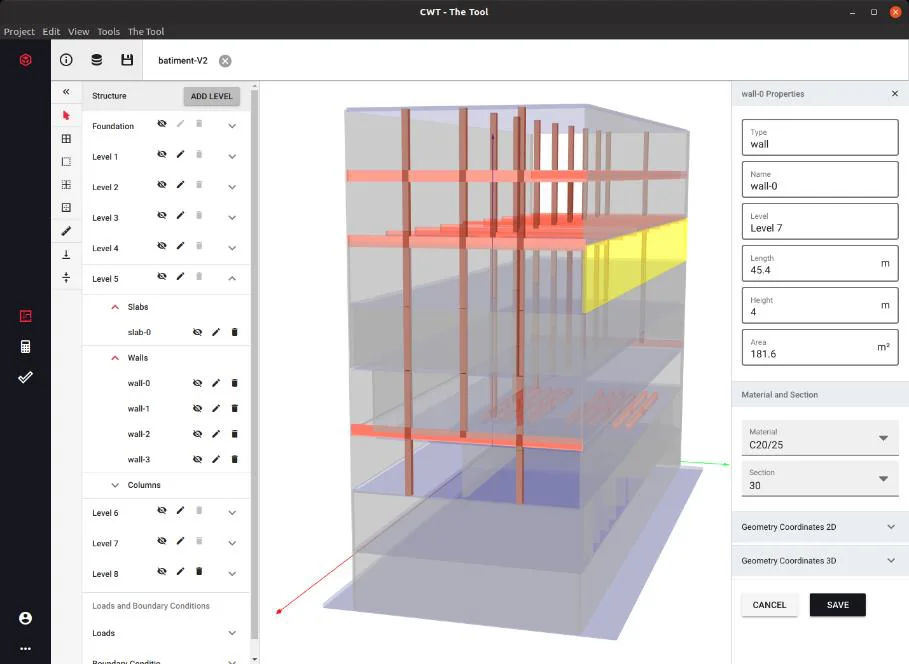
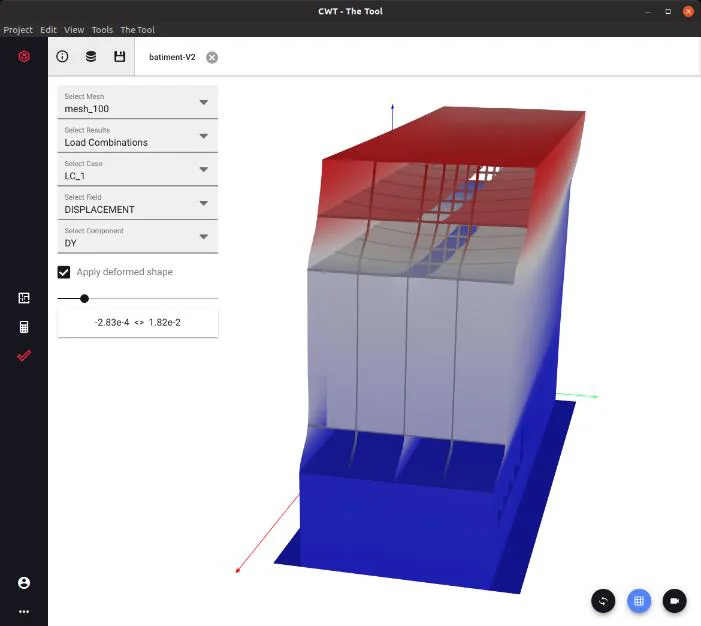
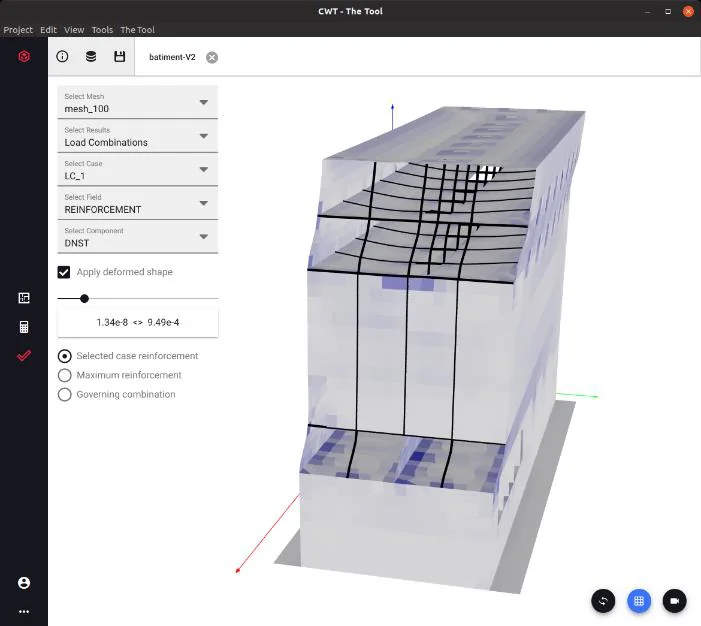
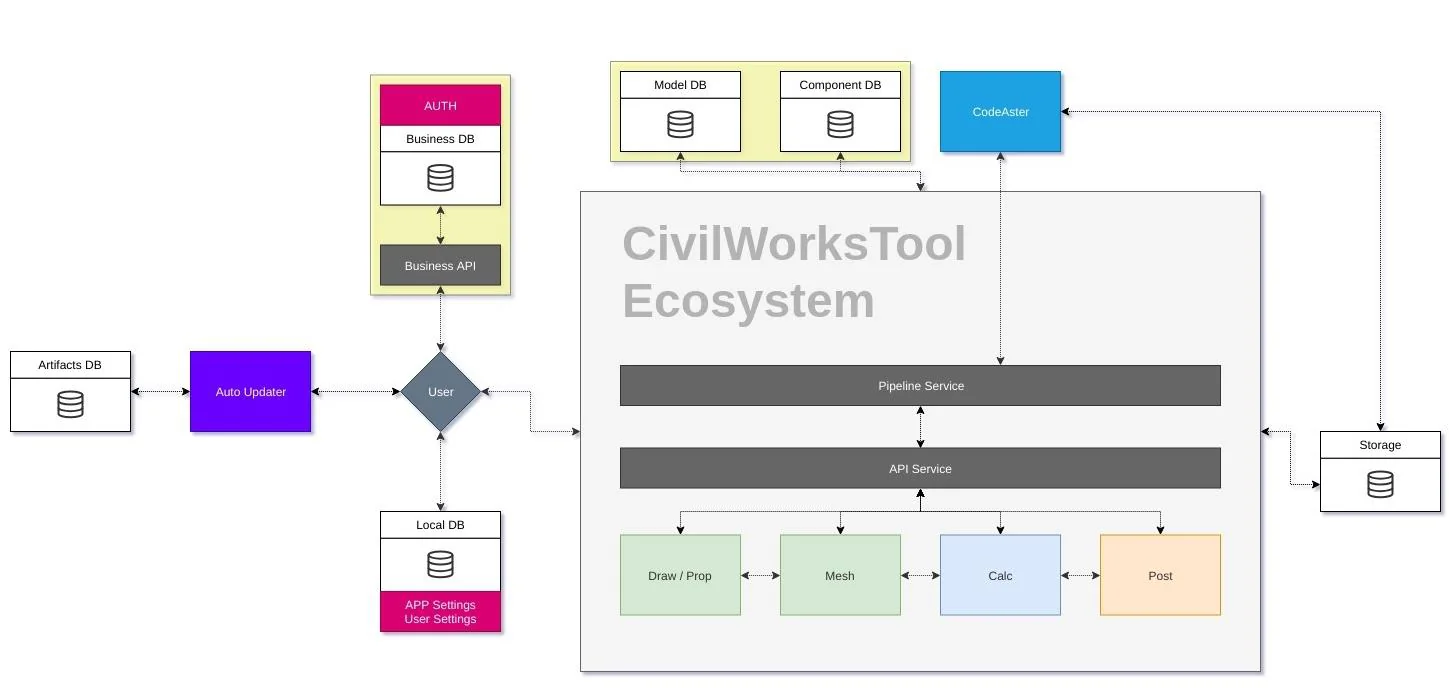
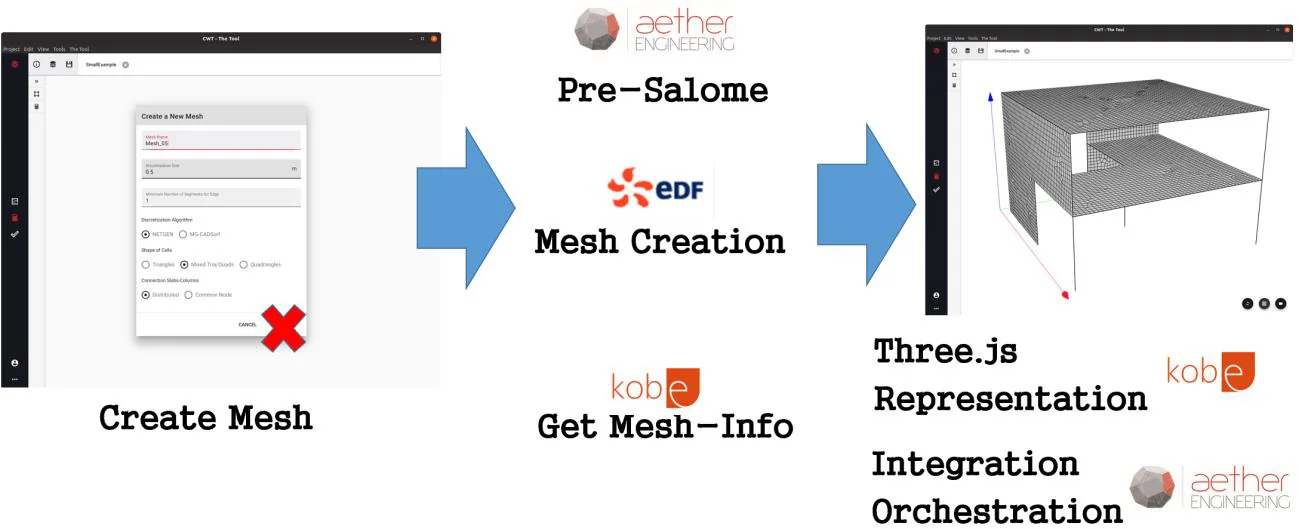
Civil Works Tool

A web-based structural-analysis ecosystem around code_aster, built in consortium.
code_asterNuclearConsortium
2018 – 2019

Interlocking Glued Solid Timber system

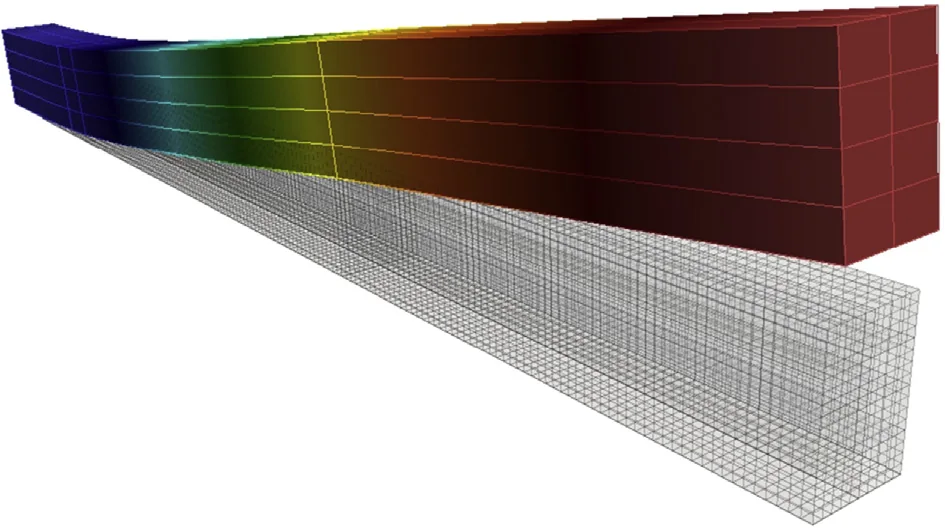
A mass timber system of overlapping solid joists glued together, tested to failure.
Birmingham City UniversityCNR-IVALSAFour-point bendingPeer-reviewed
2017 – 2018

Carbon fibre reinforced glulam beams

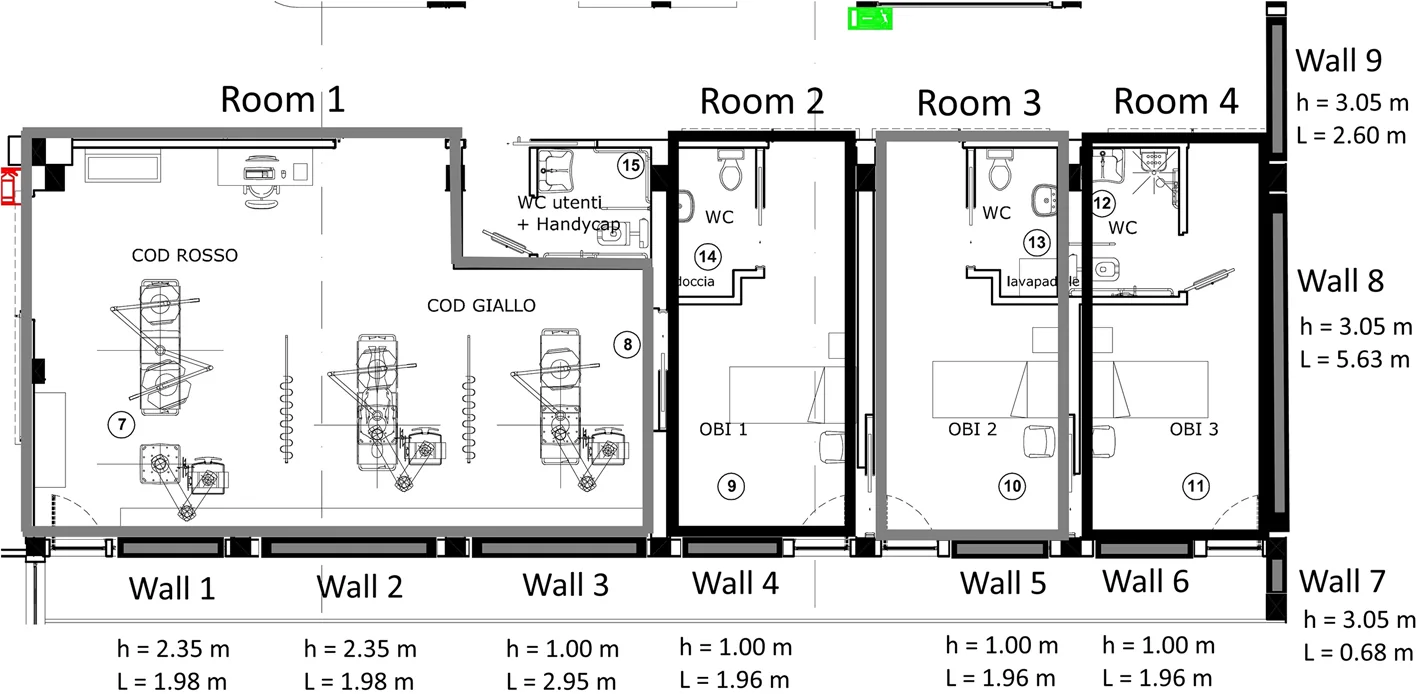
Carbon fibre fabric bonded into glulam beams with polyurethane adhesive, tested in bending with CNR-IVALSA.
CNR-IVALSAFibre reinforced glulamcode_asterPeer-reviewed
2015 – 2016

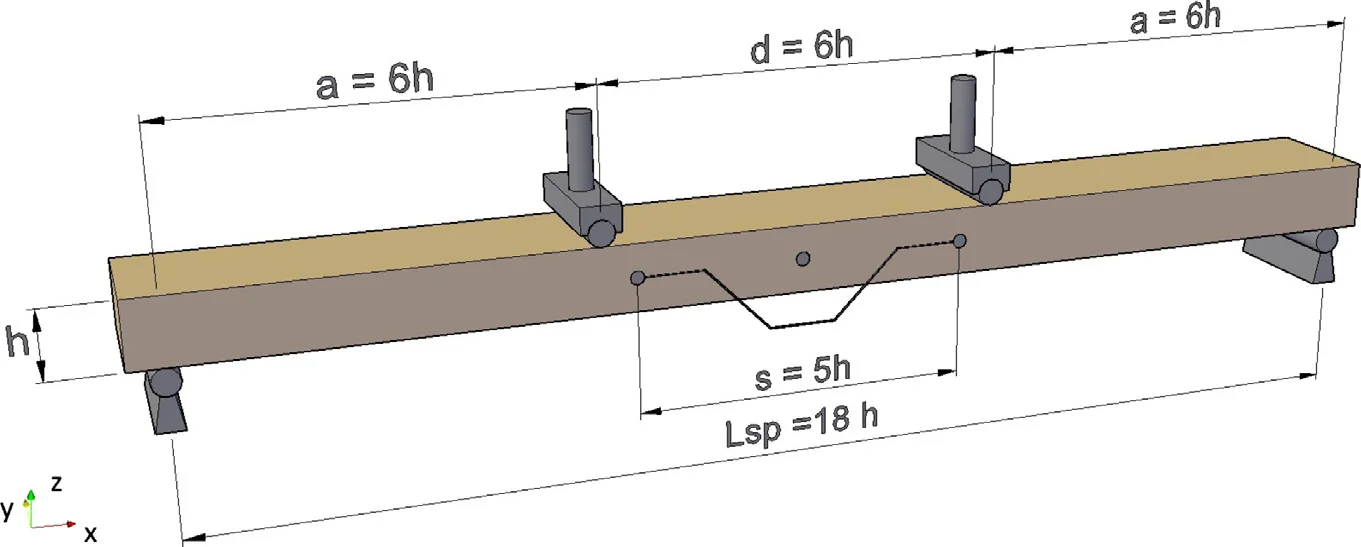
CLT mechanical properties from bending tests

Stiffness and strength of cross laminated timber estimated from four-point bending tests, with CNR-IVALSA.

CNR-IVALSAFour-point bendingPeer-reviewed
2026

bim3d: automated BIM-to-FEM 3D pipeline

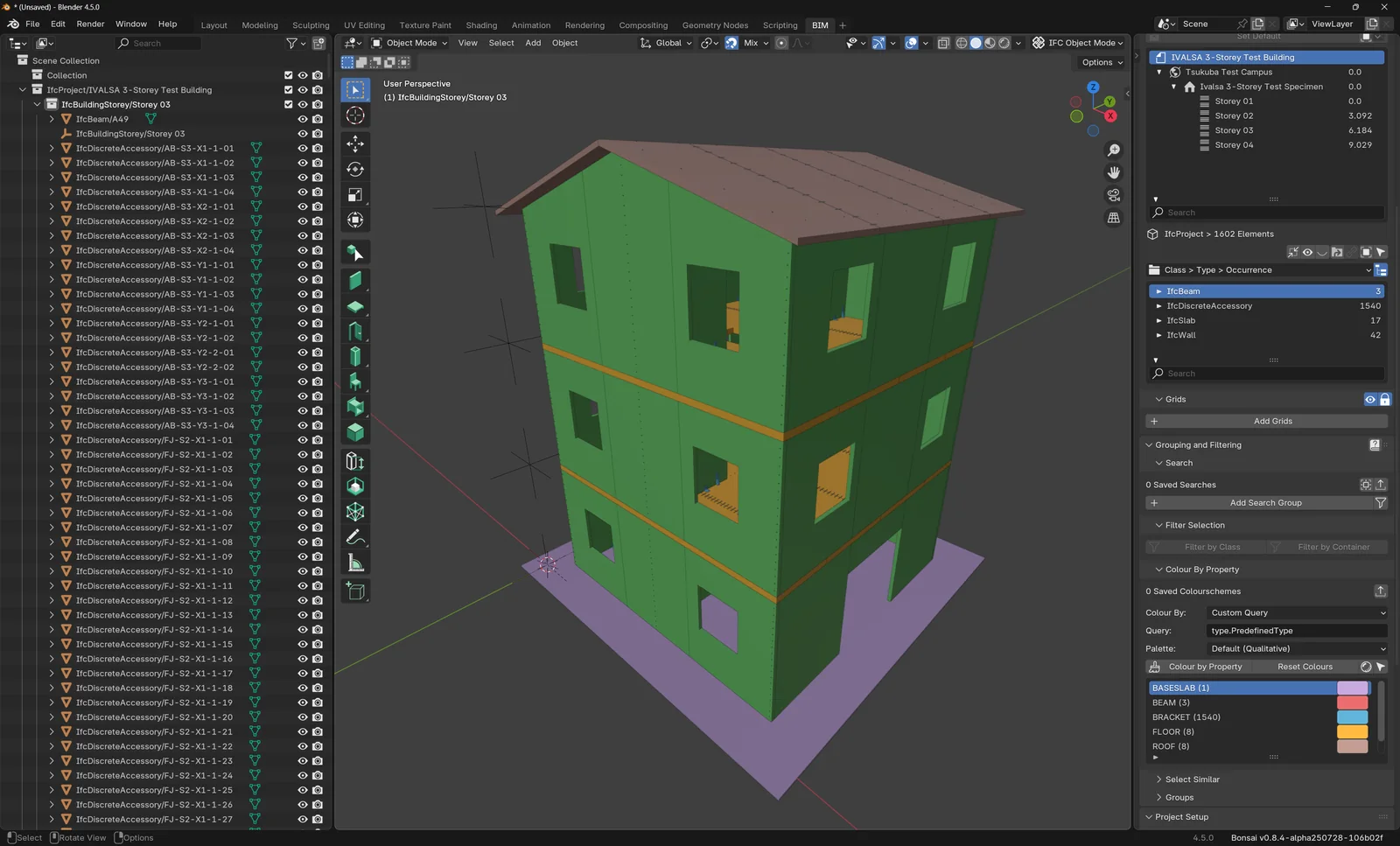
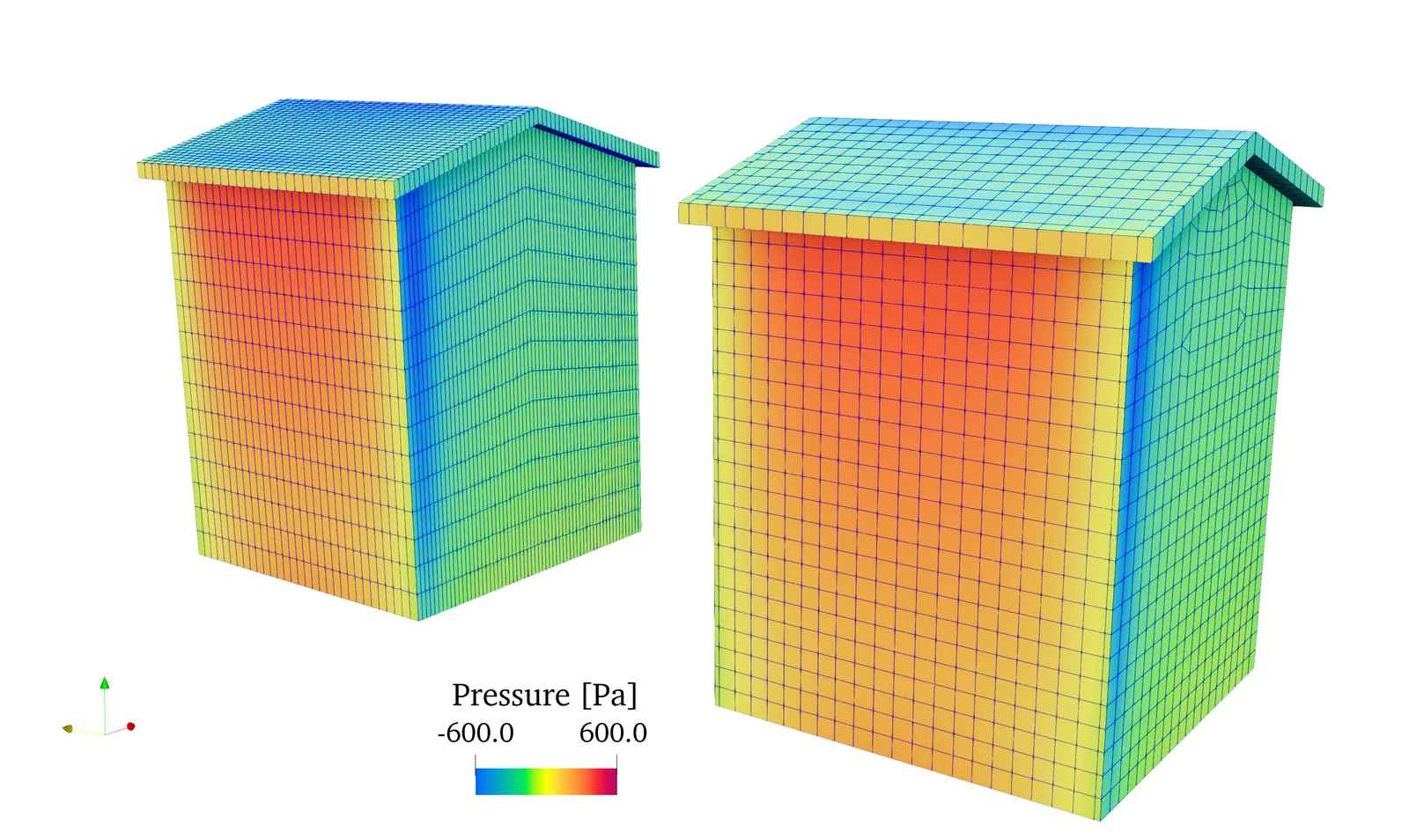
We built an automated BIM-to-FEM 3D pipeline: IFC through to a solid nonlinear dynamic model, with wind pressures coupled in from CFD by Simvia (opens in a new tab). Presented at the code_aster and salome_meca User Day, EDF Lab Paris-Saclay.

The talk: From BIM to nonlinear dynamics (video) (opens in a new tab)Simvia, on its YouTube channel, 9 June 2026.

IFCCFD couplingNot peer-reviewed
Paper
  • From BIM to Nonlinear Dynamics — BIM-driven workflow for advanced nonlinear analysis of wood structures: dynamic and CFD-coupled modelscode_aster & salome_meca User Day, EDF Lab Paris-Saclay, 30 March 2026 (SMUD-2026) · not peer-reviewed
Attribution

Simvia (opens in a new tab) ran the CFD; we applied it to the nonlinear solid model and built the pipeline.

2022 – 2025

ACCORD: Eurocode 3 verification App

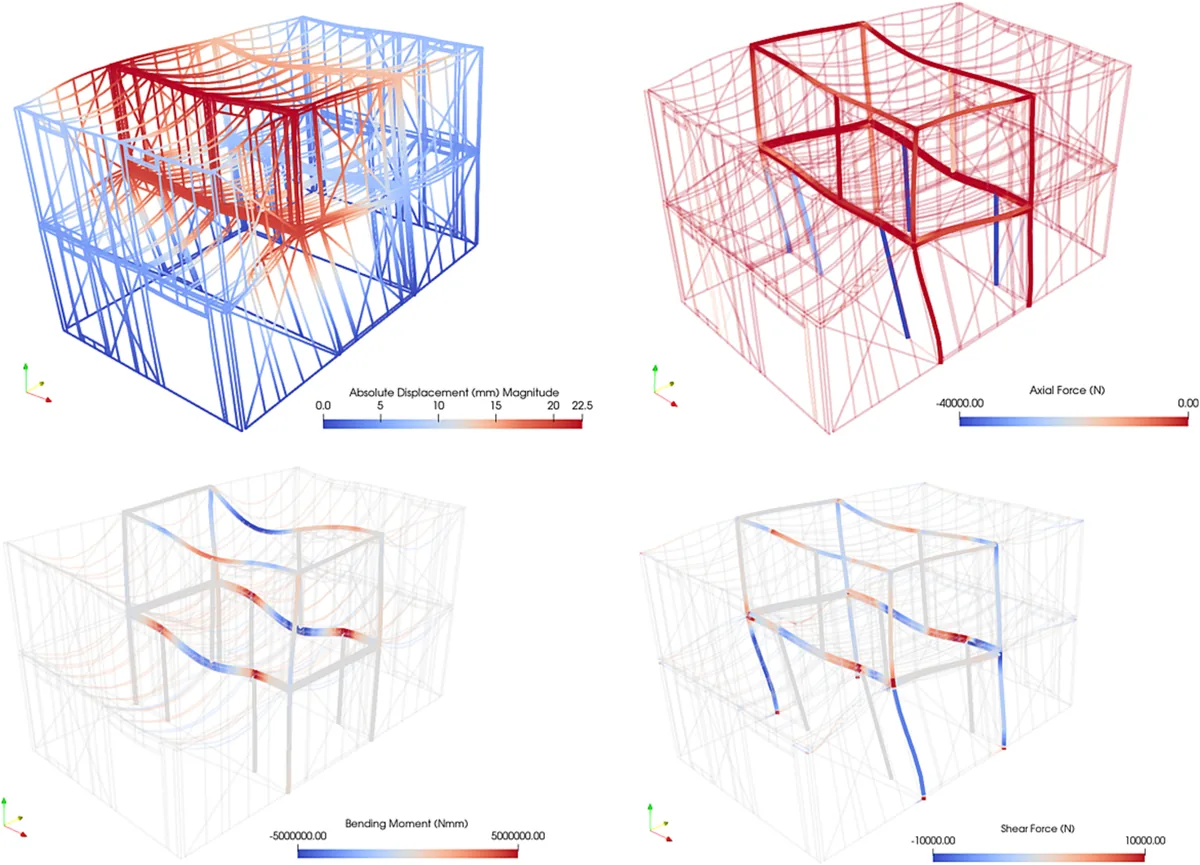
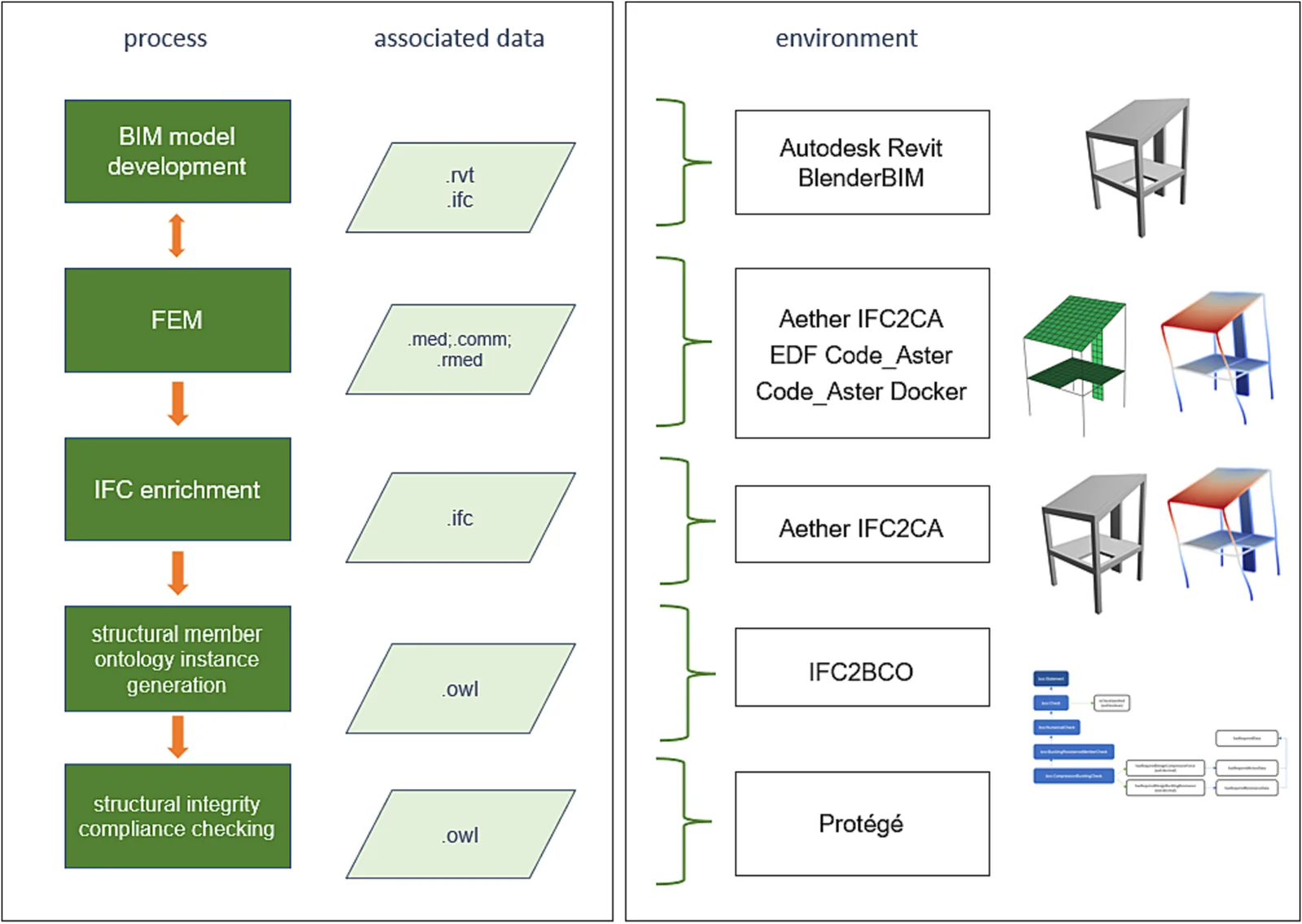
On ACCORD’s UK pilot, with the team at Birmingham City University, we took on structural compliance: a BIM model goes in, a finite-element analysis runs, and out comes a report naming which steel members meet Eurocode 3. Published in Advanced Engineering Informatics (2024).

What Aether did

The Eurocode 3 verification App, the innovation on the Innovation Radar listing: a Vue front-end on a FastAPI backend. Behind it: ifc2ca, upgraded for use within ACCORD; the Docker code_aster implementation; the structural IFC binding specification; and the compliance-checking middleware.

Structural complianceStructural IFCcode_asterHorizon Europe
Codes

Eurocode 3, on an EN 1990 and EN 1991-1-1 basis. Demonstrated: ULS bending, shear and compression buckling (EN 1993-1-1 §6.3.1.1), and parameter checks.

Attribution

The team at Birmingham City University conceived the work and developed the Building Compliance Ontology (BCO) in Protégé. Dr. Panagiotis Patlakas is the lead author of the paper (Patlakas et al., 2024). Full record and funding acknowledgement →

Funding

This project has received funding from the European Union’s Horizon Europe research and innovation programme under grant agreement no. 101056973. UK Participants in Horizon Europe Project ACCORD are supported by UKRI grant numbers 10040207 (Cardiff University), 10038999 (Birmingham City University) and 10049977 (Building Smart International).

Recognition

Aether Engineering was identified as a Key Innovator by the European Commission’s Innovation Radar, in the development of the “Eurocode 3 verification App” (ACCORD, Horizon Europe). The innovation on the Innovation Radar (opens in a new tab)

2020 – 2025

CLT seismic response

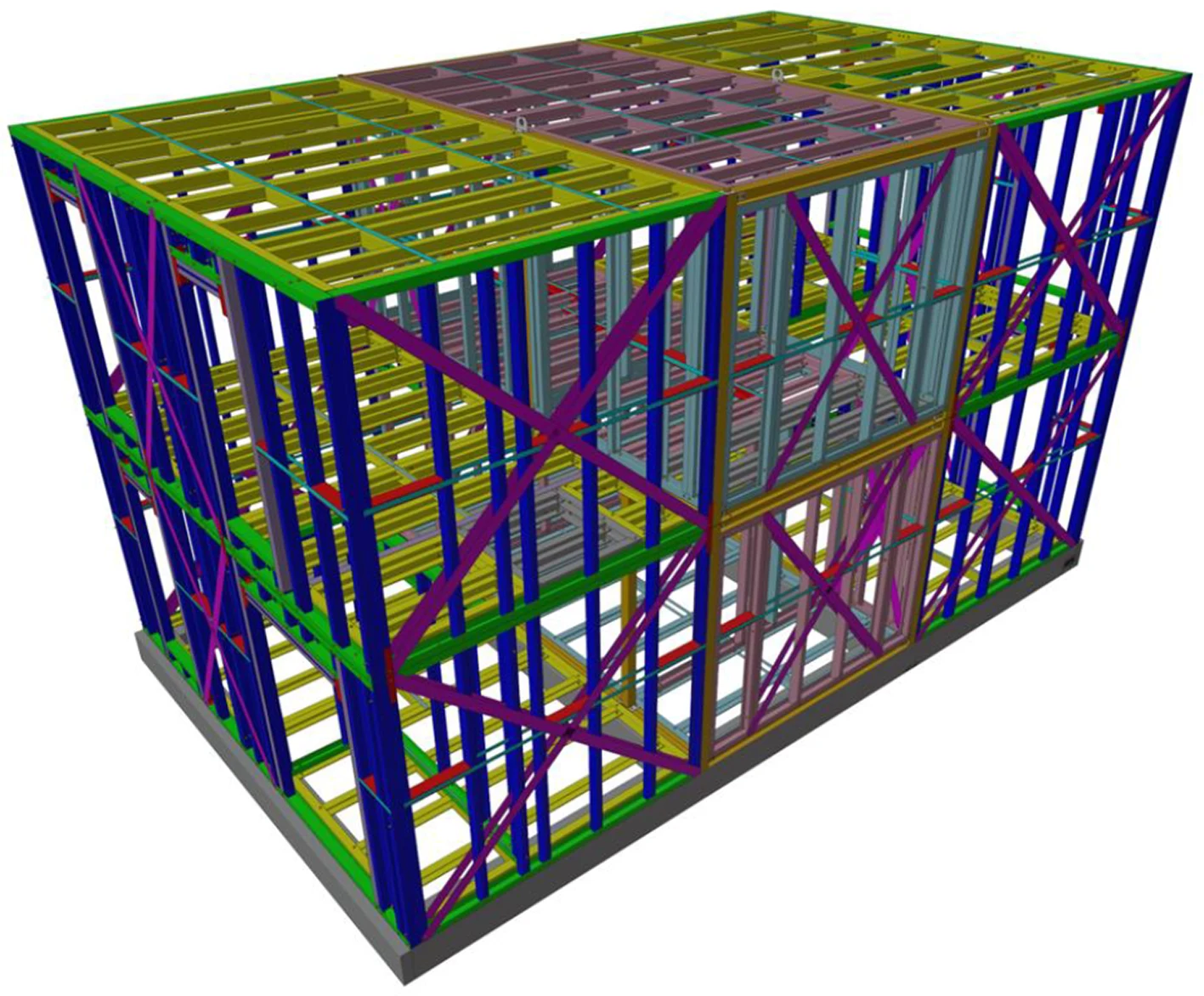
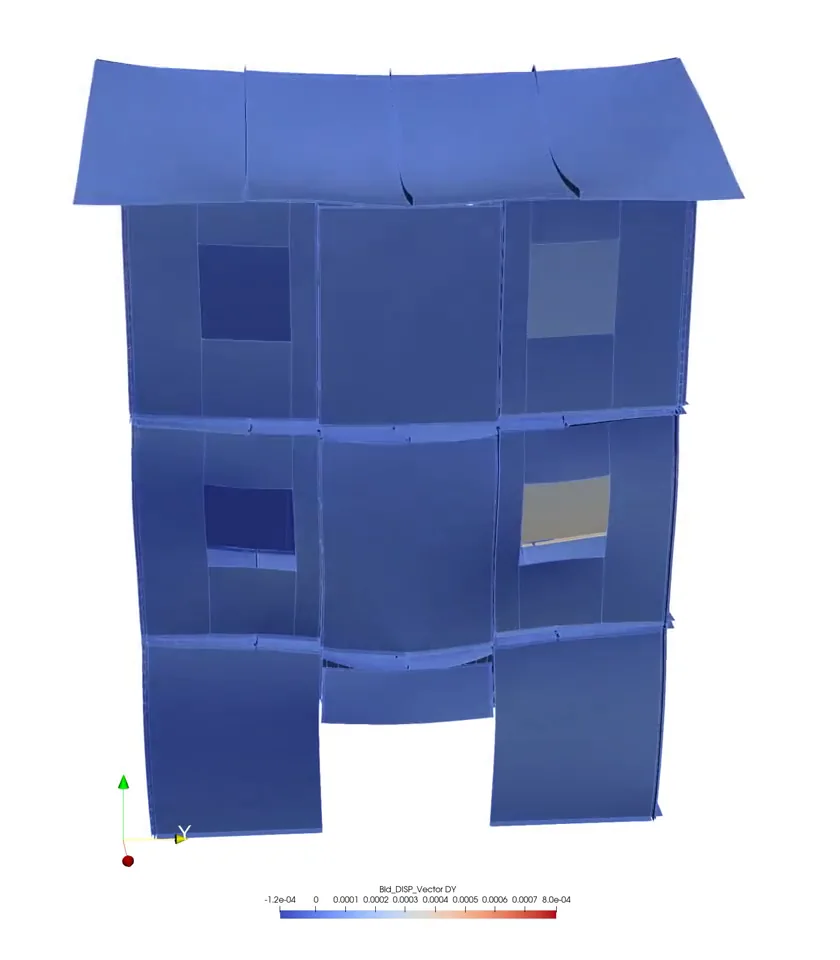
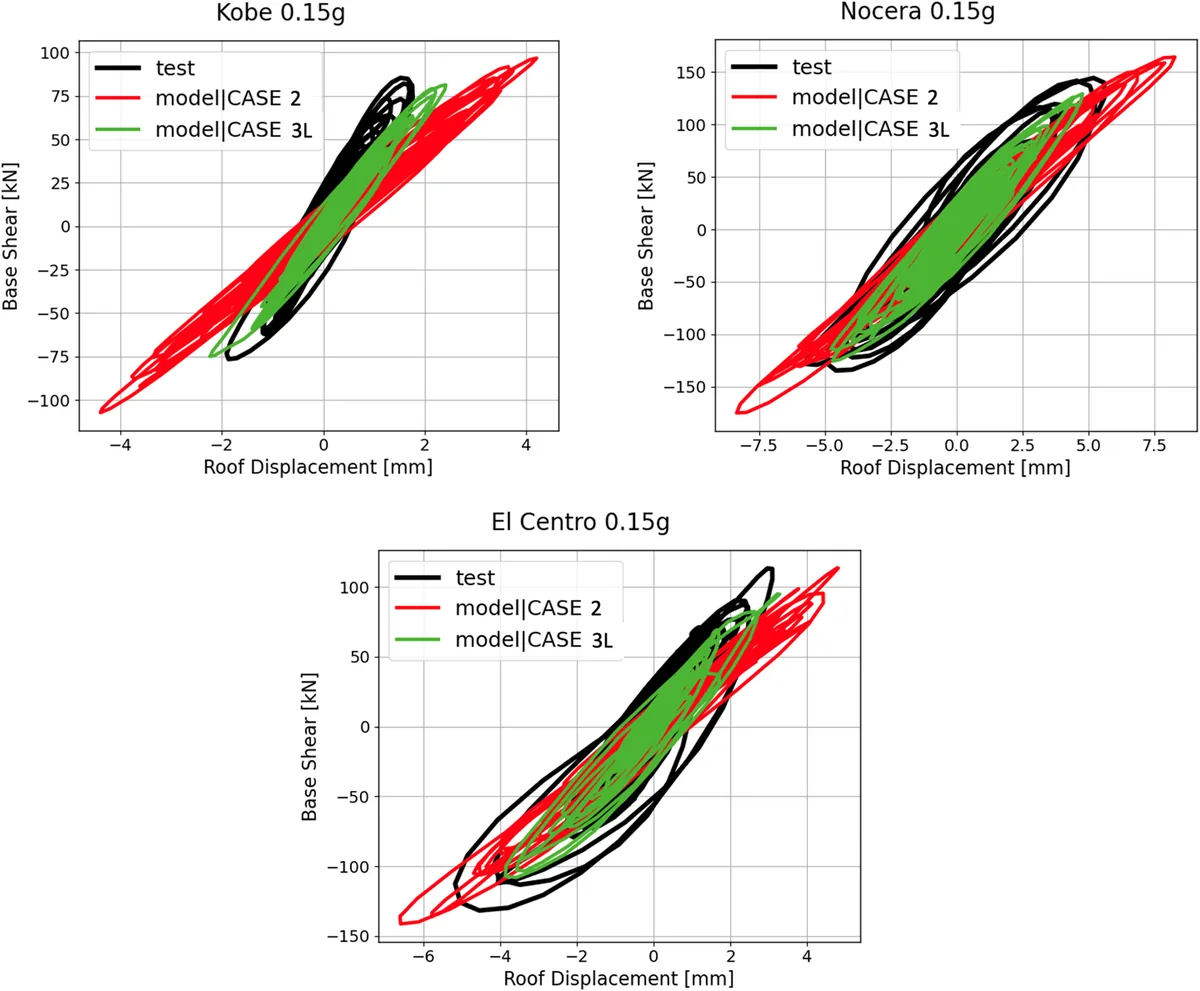
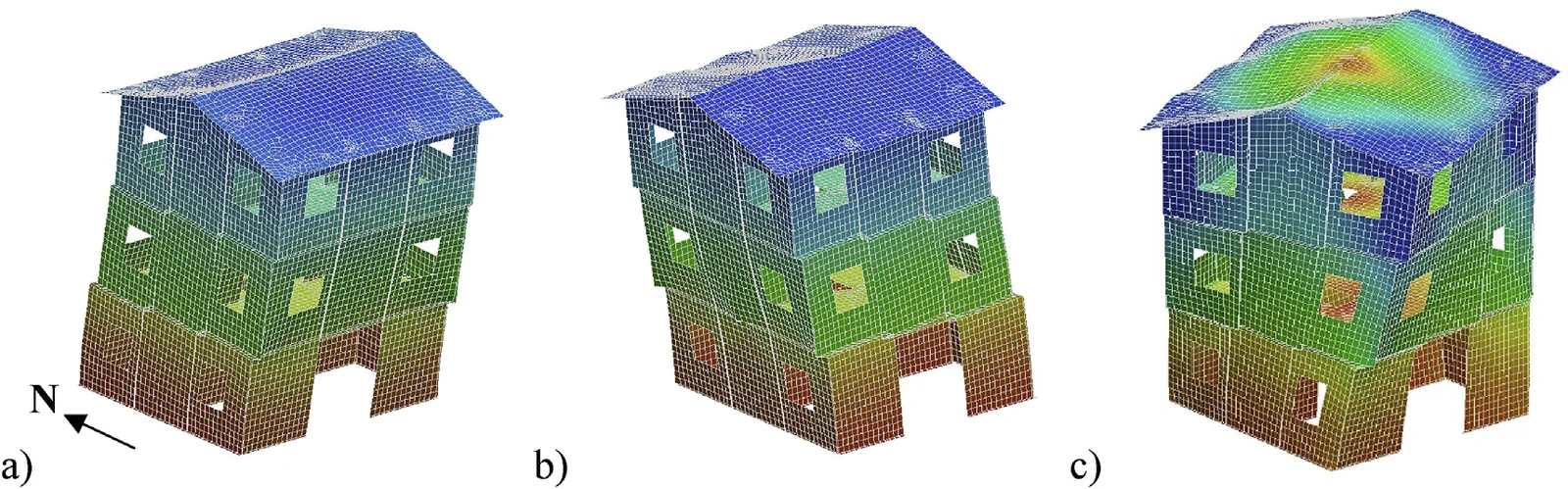
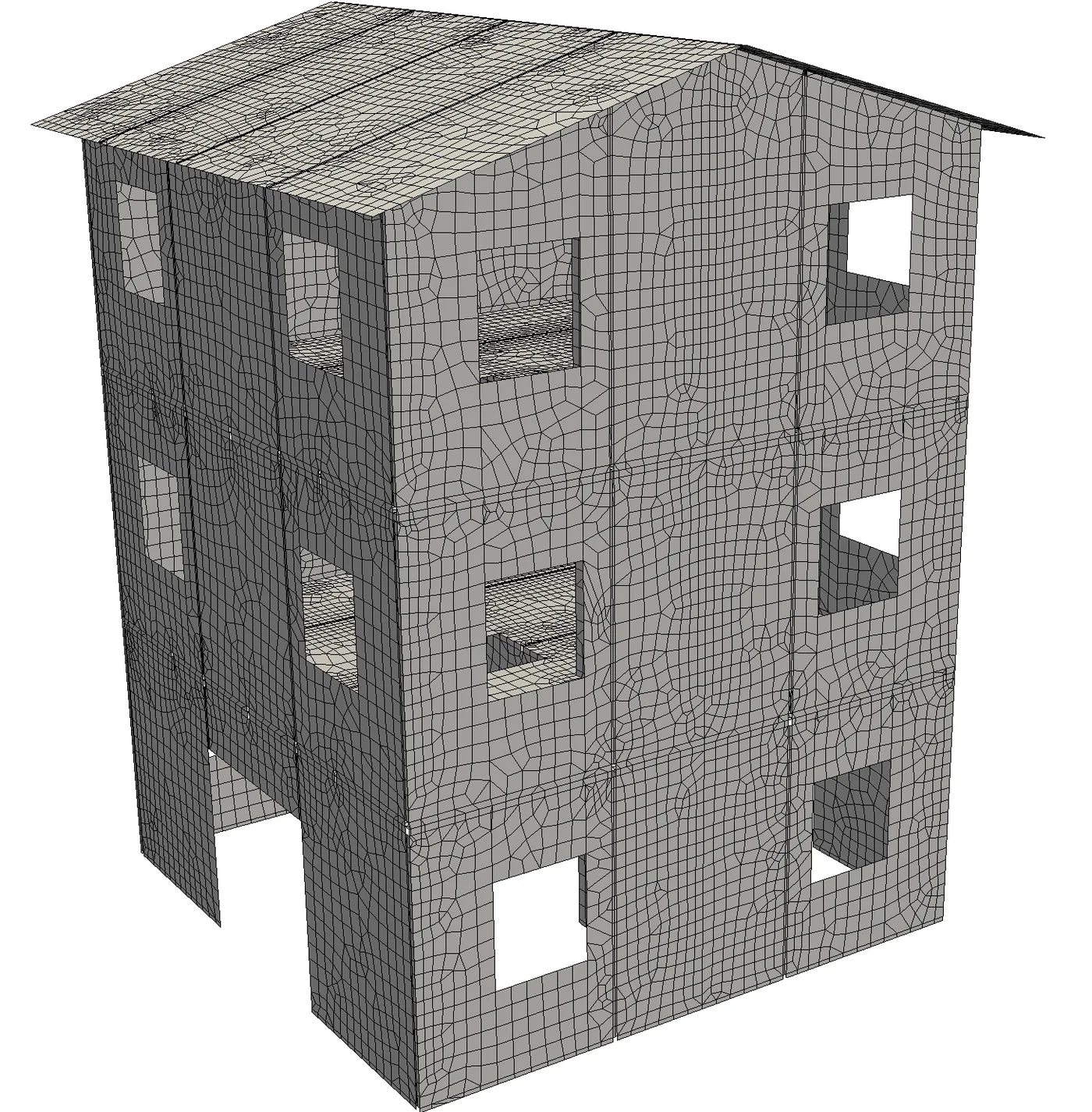
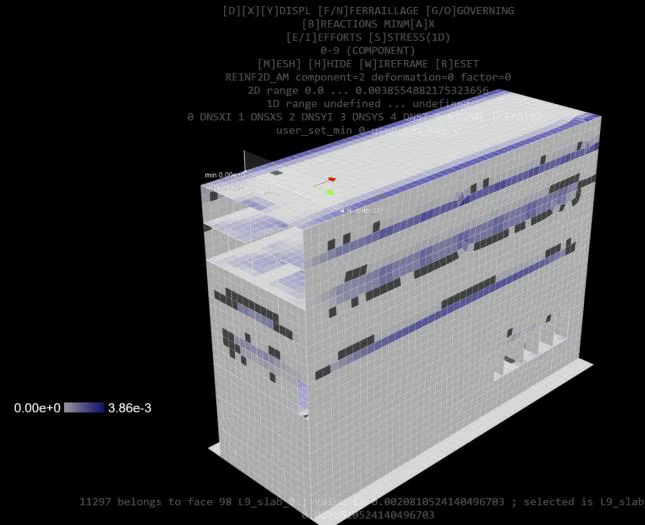
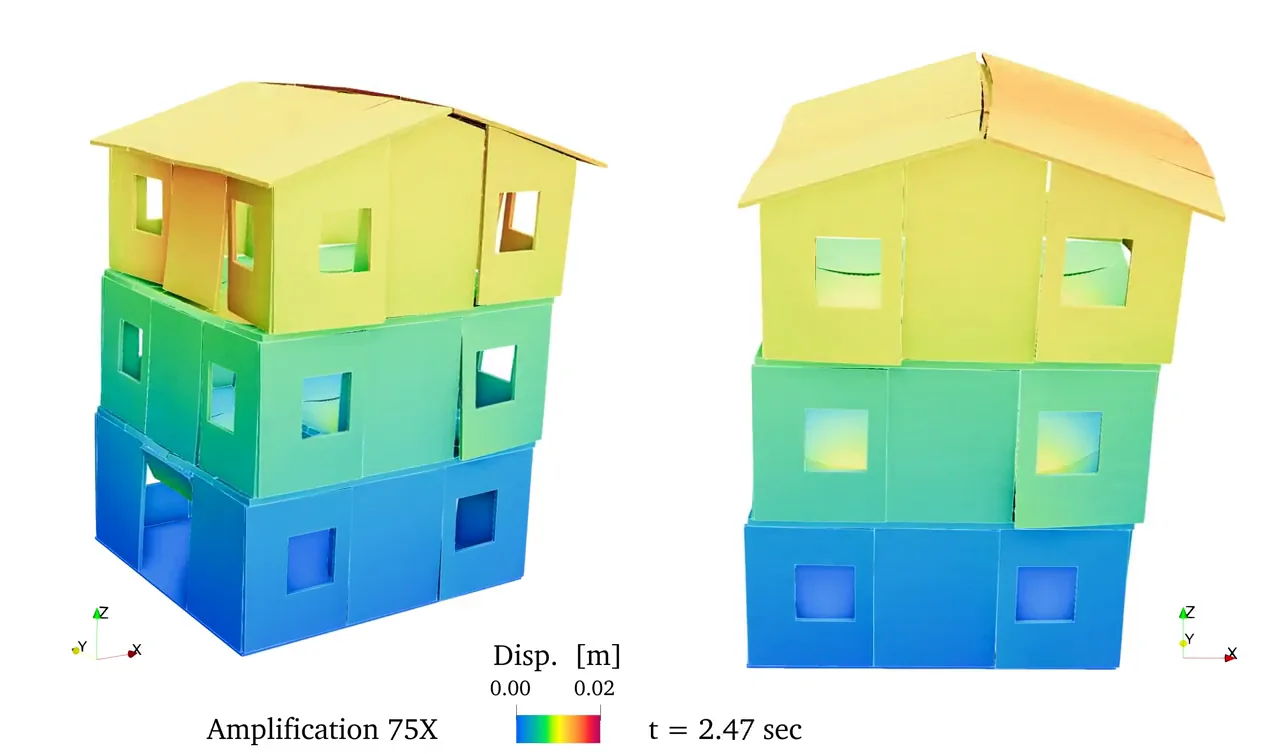
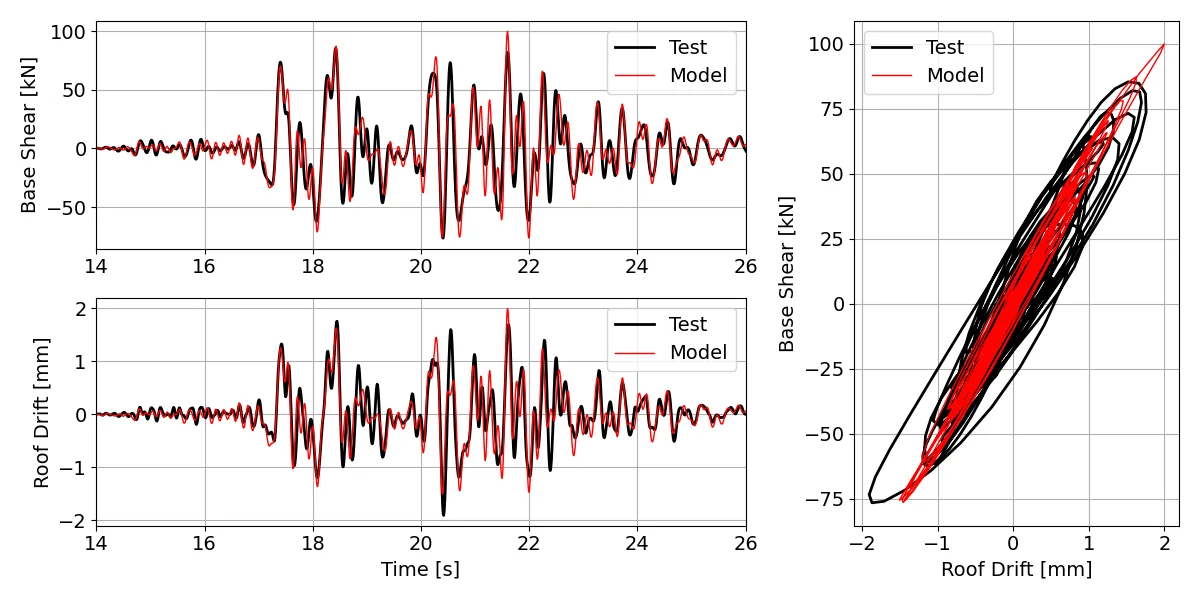
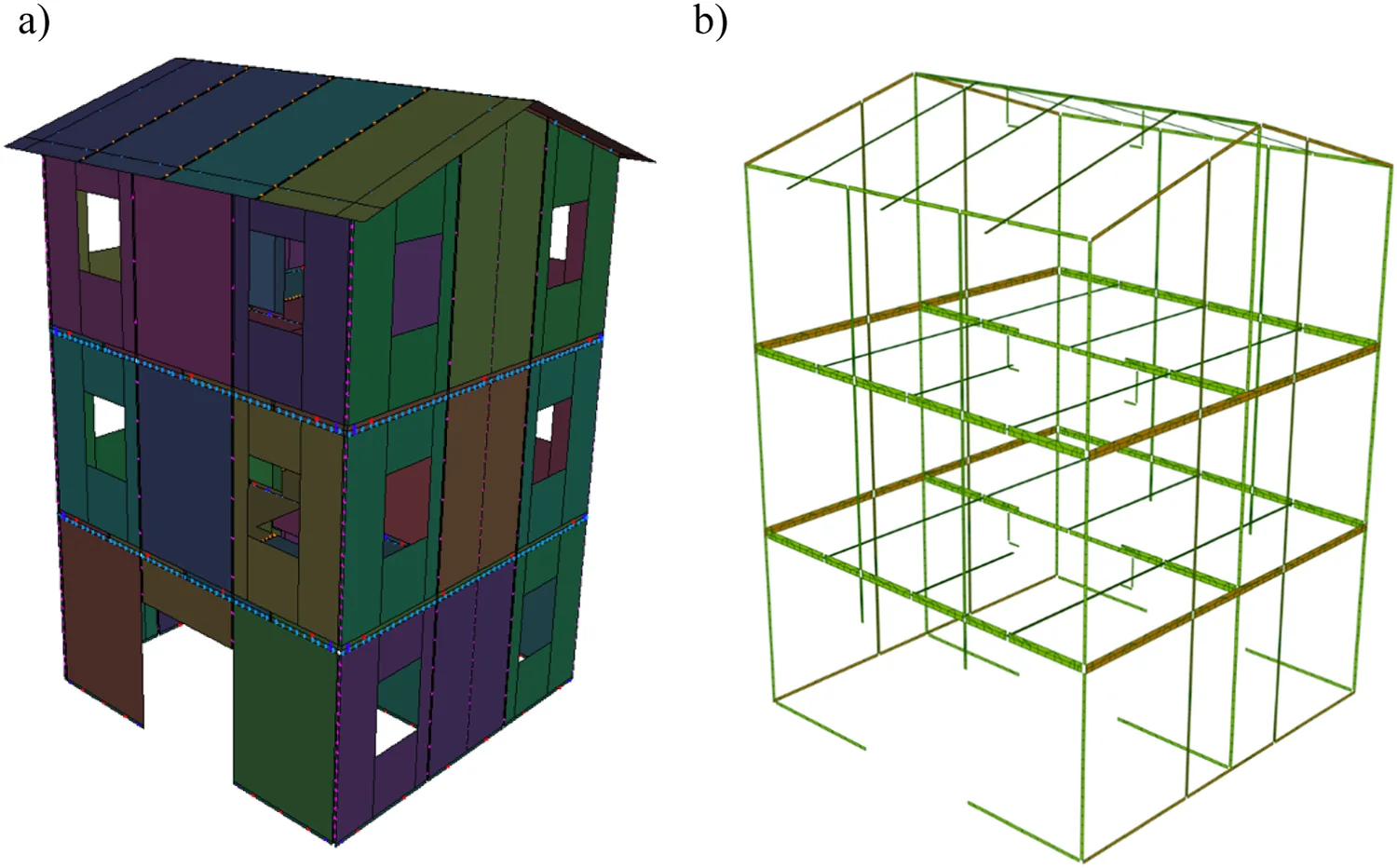
We modelled cross-laminated timber buildings with contact and friction, and validated the results against low-amplitude shake-table tests of a full-scale building from the SOFIE project. Two peer-reviewed papers.

What Aether did

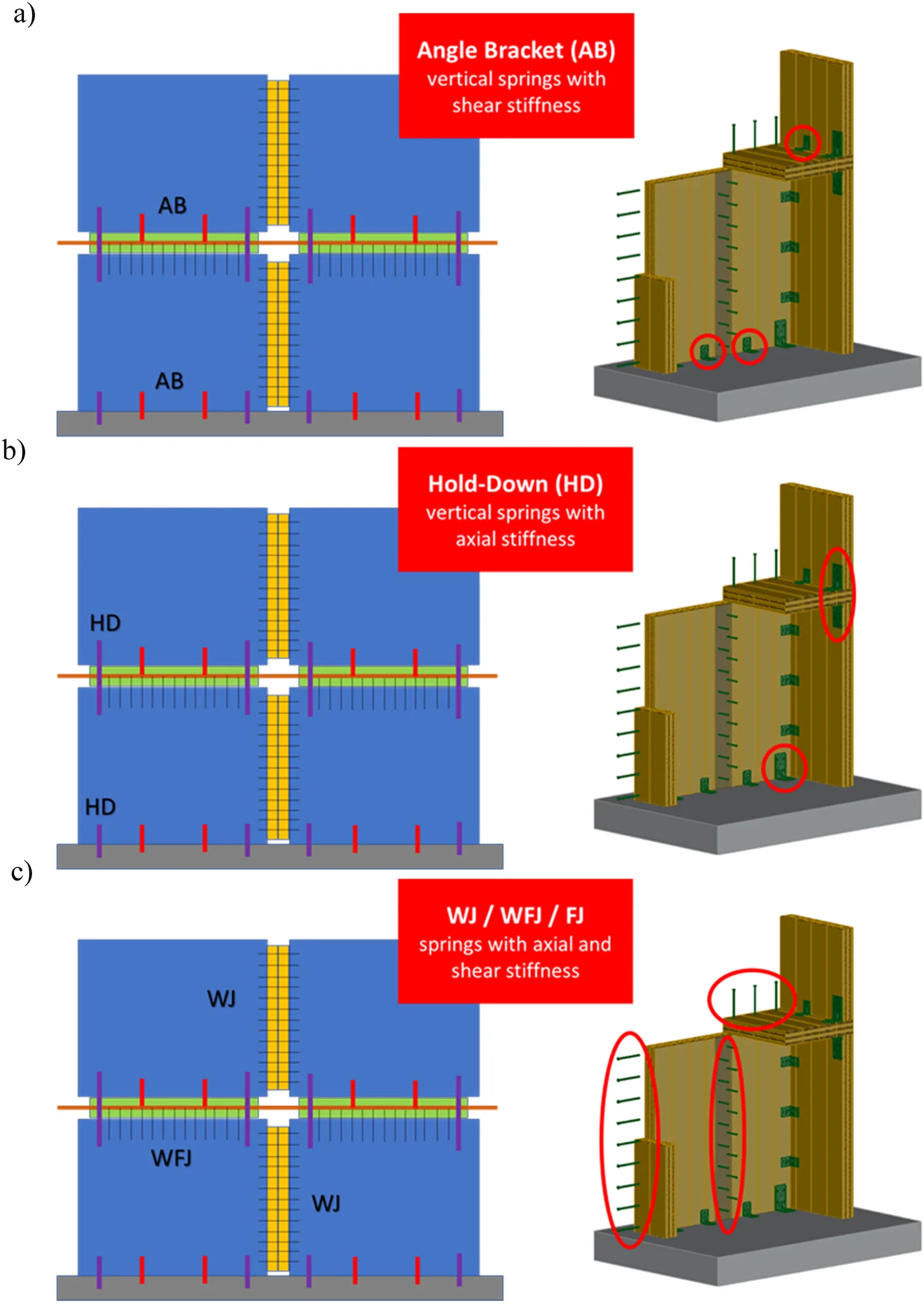
The nonlinear dynamic models, with contact and friction, and Aetherium, our in-house Python tool that generates the enriched models and code_aster inputs from drawing and data files. The test data belongs to the SOFIE project.

Internal R&DNonlinear dynamicsContact & frictionValidated at low amplitude
Stated limitation

Validated against three low-amplitude shake-table tests of one building, the SOFIE three-storey. More than twenty further SOFIE tests, at other amplitudes and on other buildings, are not used.

Stated limitation

Connectors are modelled as linear ties. Design-level response needs a timber-specific nonlinear connector model, which is not built.

Attribution

2020: Christovasilis, Riparbelli, Rinaldin and Tamagnone, with the University of Trieste. 2025: Christovasilis, Riparbelli and Fioravanti, with the University of Florence. Test data: the SOFIE project, CNR-IVALSA, from shake-table tests in Tsukuba.

2022 – ongoing

Tecnaria App: shear-connector design application

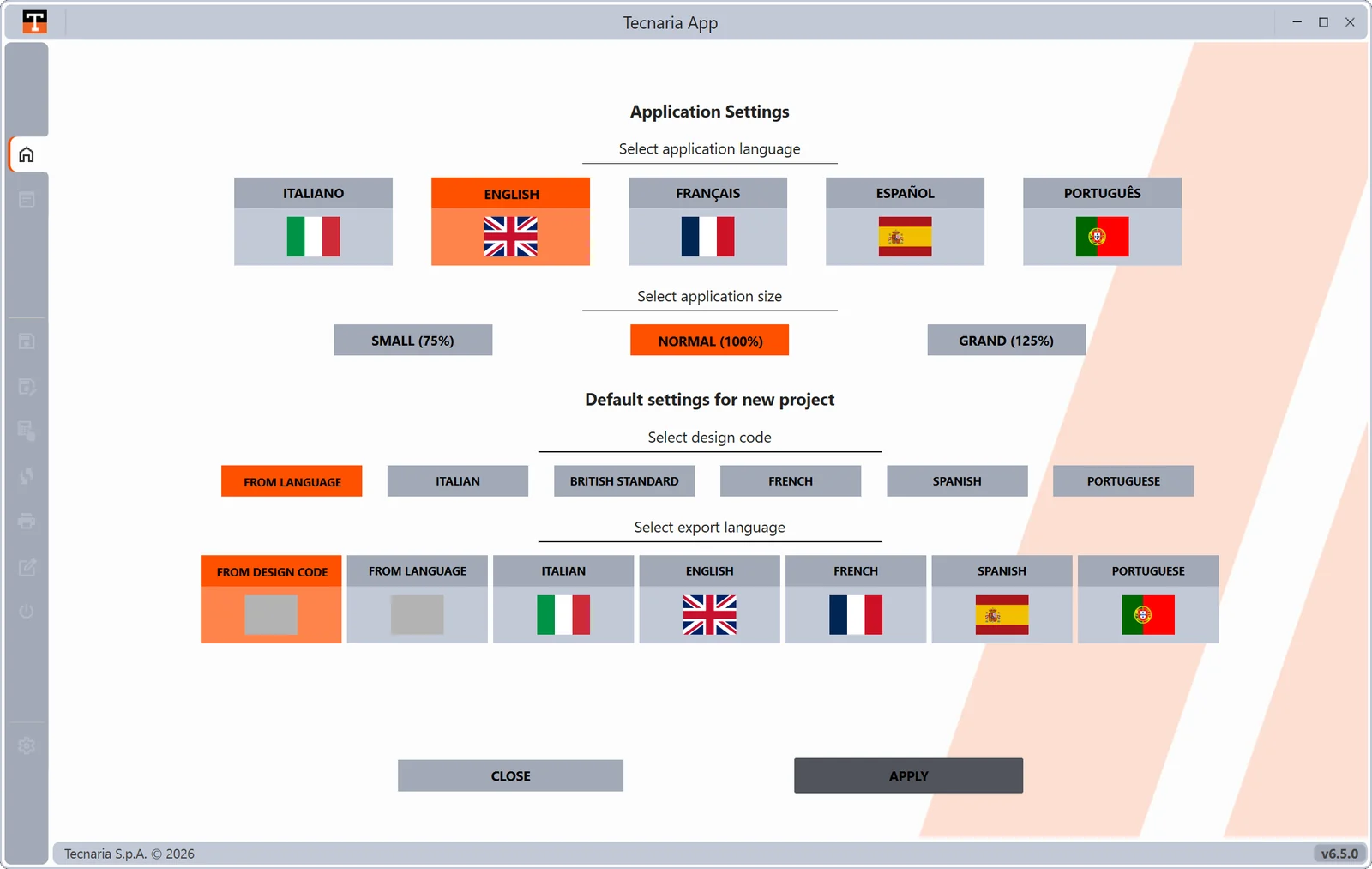
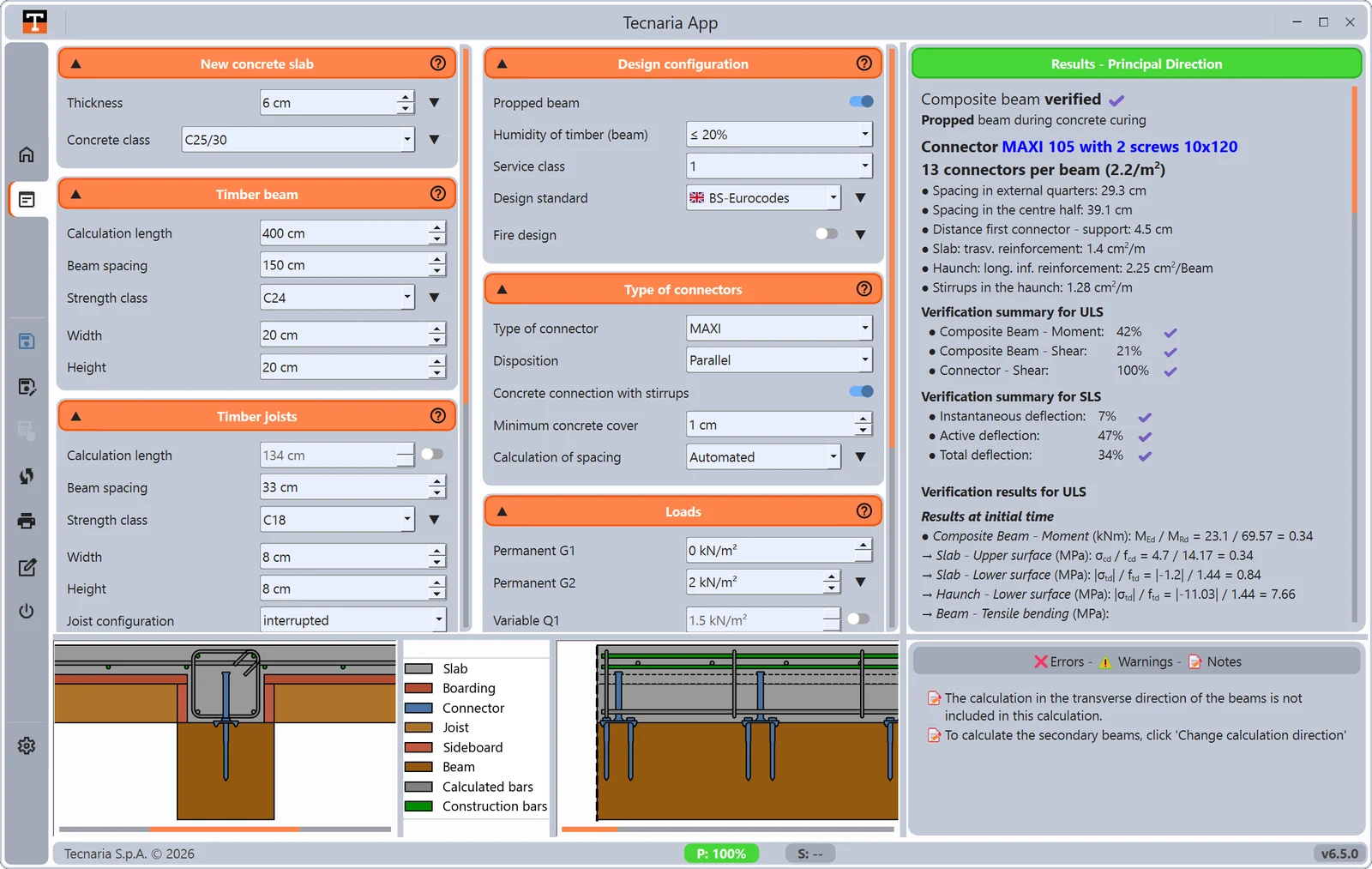
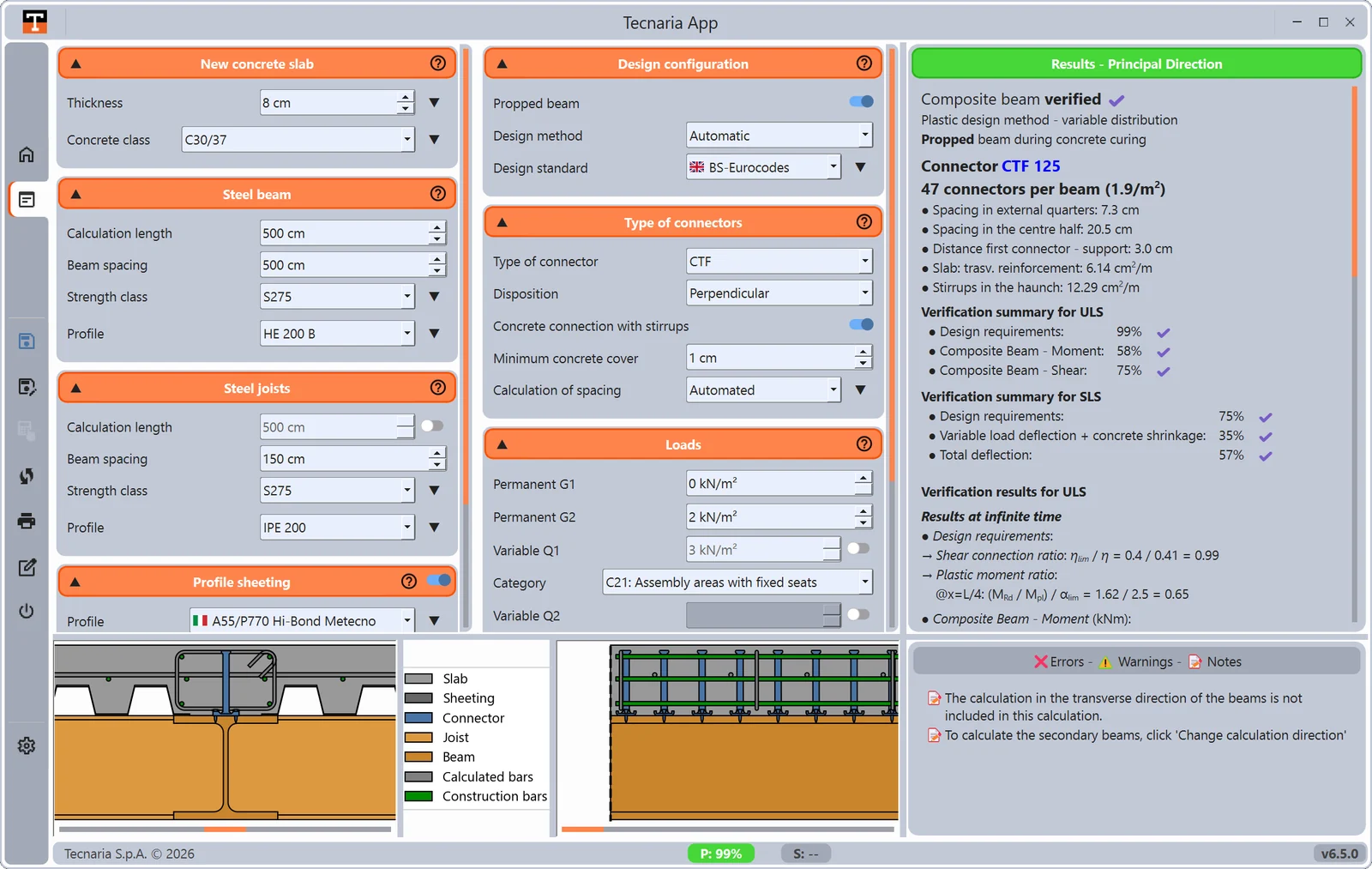
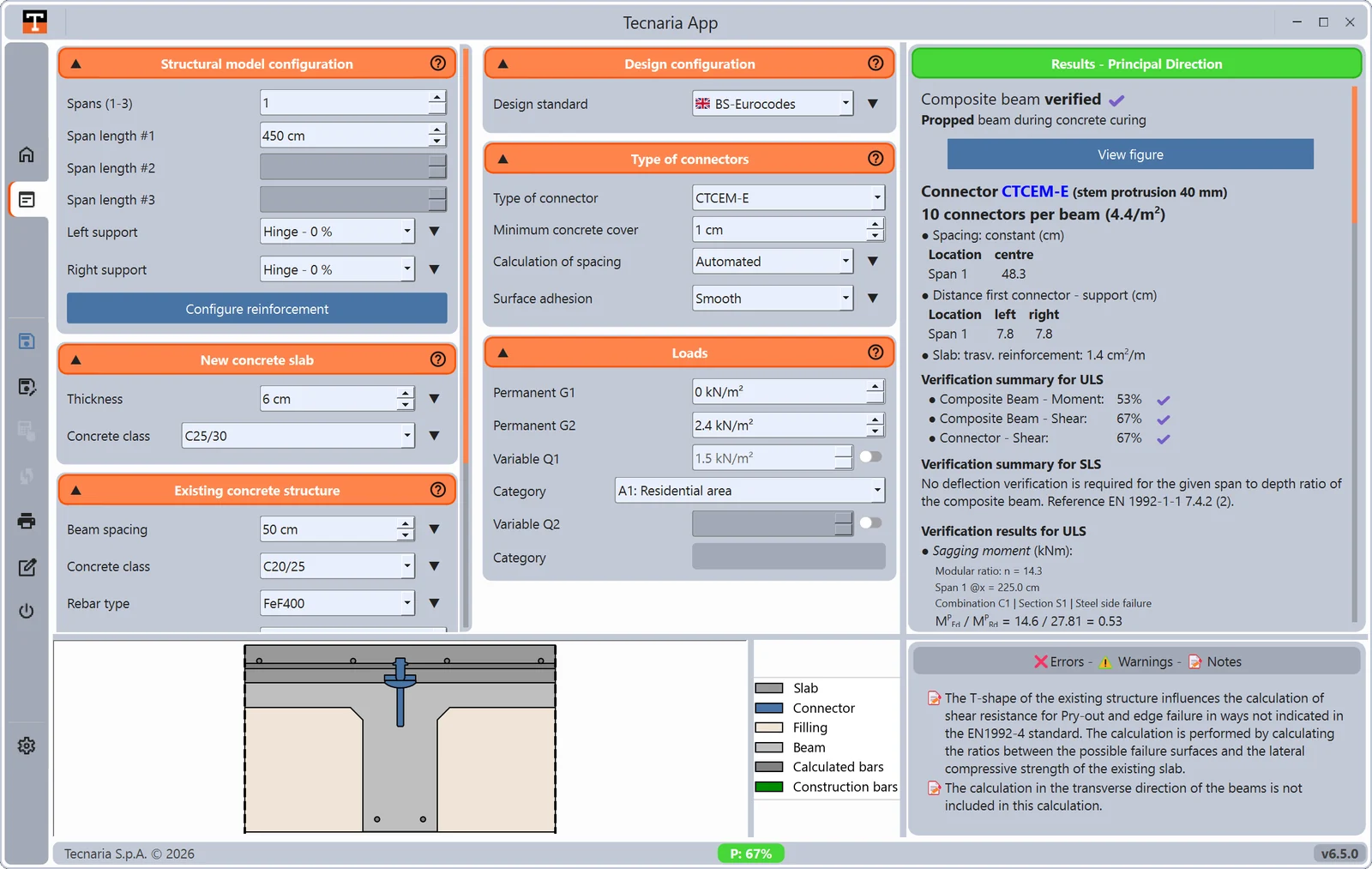
We build and maintain the official shear-connector design application of Tecnaria (opens in a new tab): PySide, five languages, five national annexes, in production since October 2024.

PySideProductionFive national annexes
Attribution
  • Ioannis P. ChristovasilisAether Engineering
  • Ing. Enrico NespoloTecnaria
2018 – 2020

Civil Works Tool

A web-based structural-analysis ecosystem around code_aster for the nuclear civil-works pipeline, built in consortium with KOBE and EDF R&D and presented at SMiRT-25. We wrote the pre-processing and the interface.

code_asterNuclearConsortium
Codes

Eurocode 2 and 8 with national annexes, and RCC-CW for nuclear civil works.

Attribution

With KOBE (post-processing, and lead author of the post-processing and rebar paper, Cerisano Kovačević et al.) and EDF (requirements, validation and the solver core).

2018 – 2019

Interlocking Glued Solid Timber system

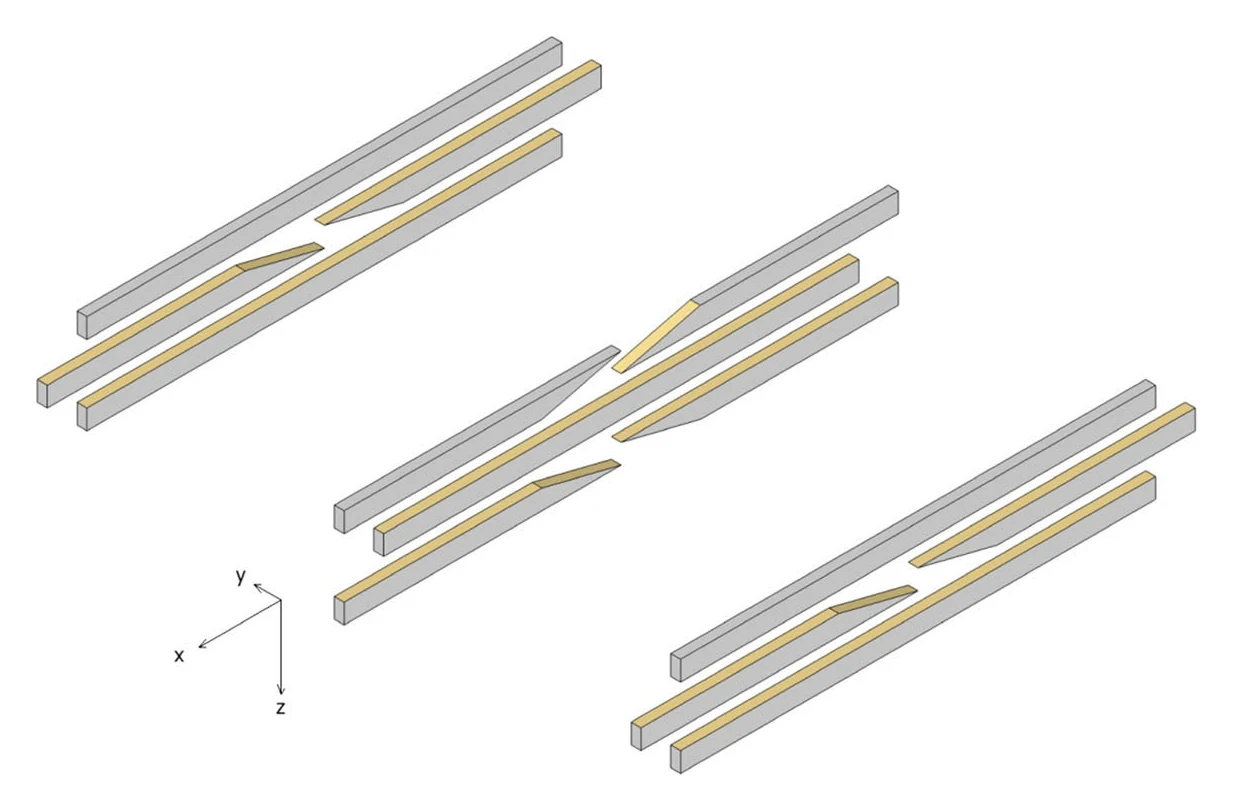
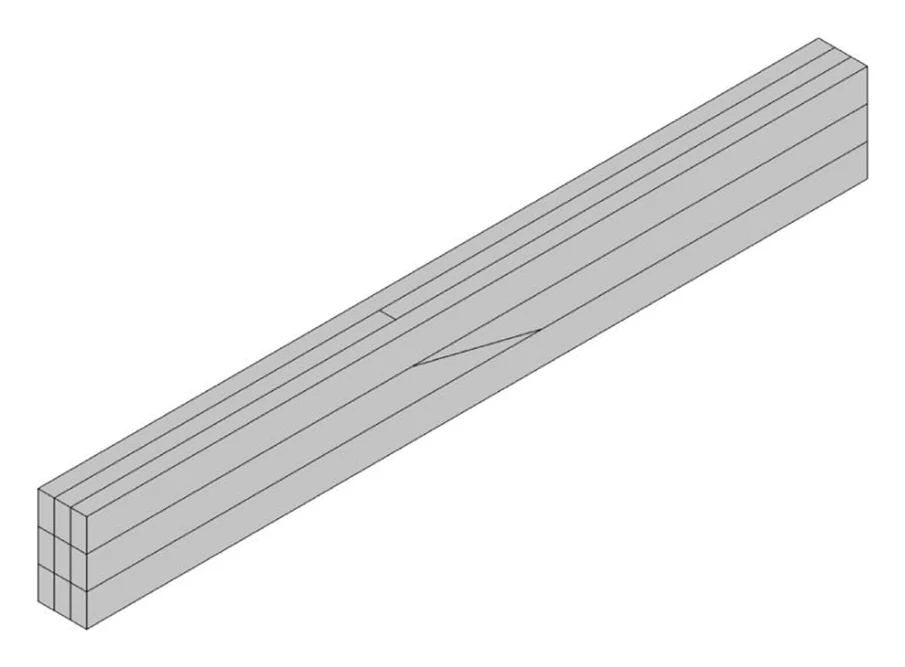
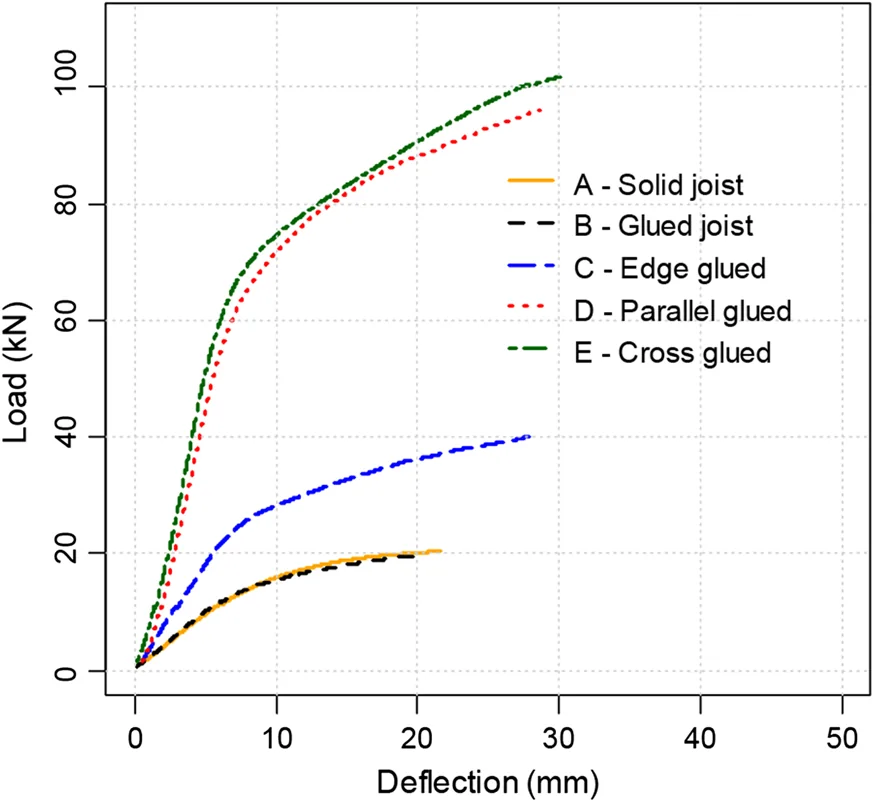
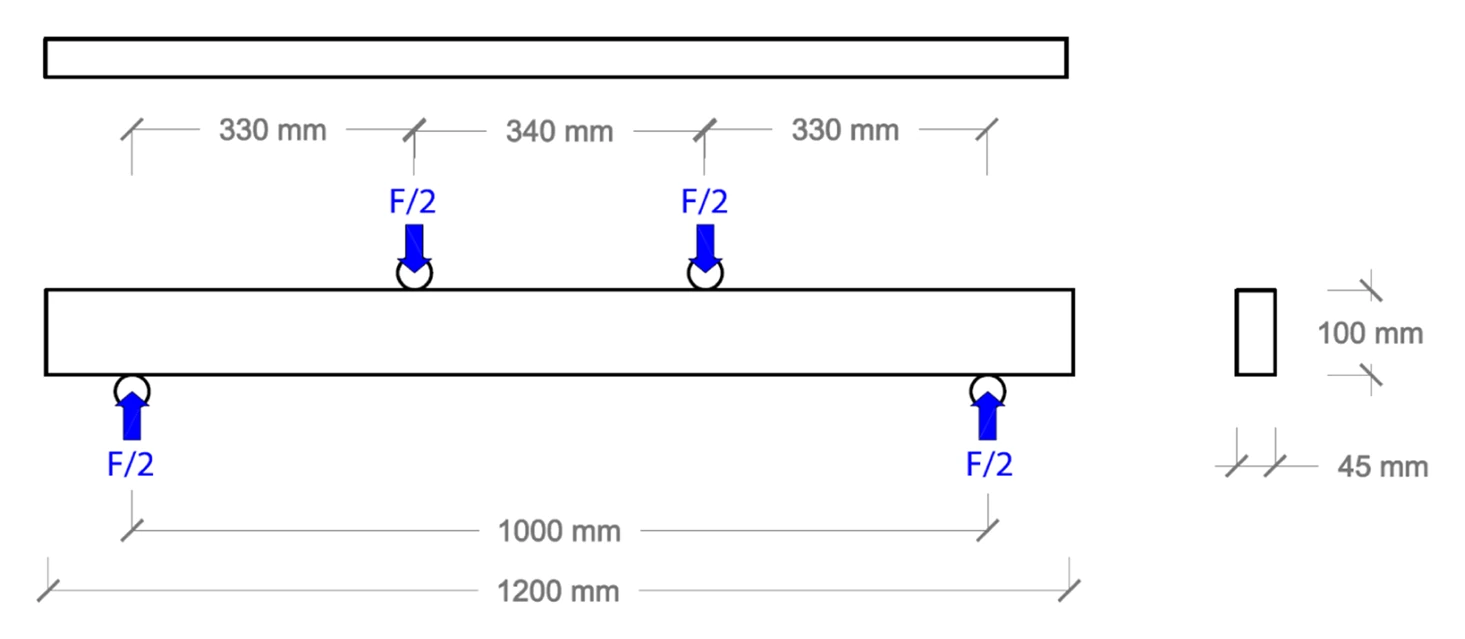
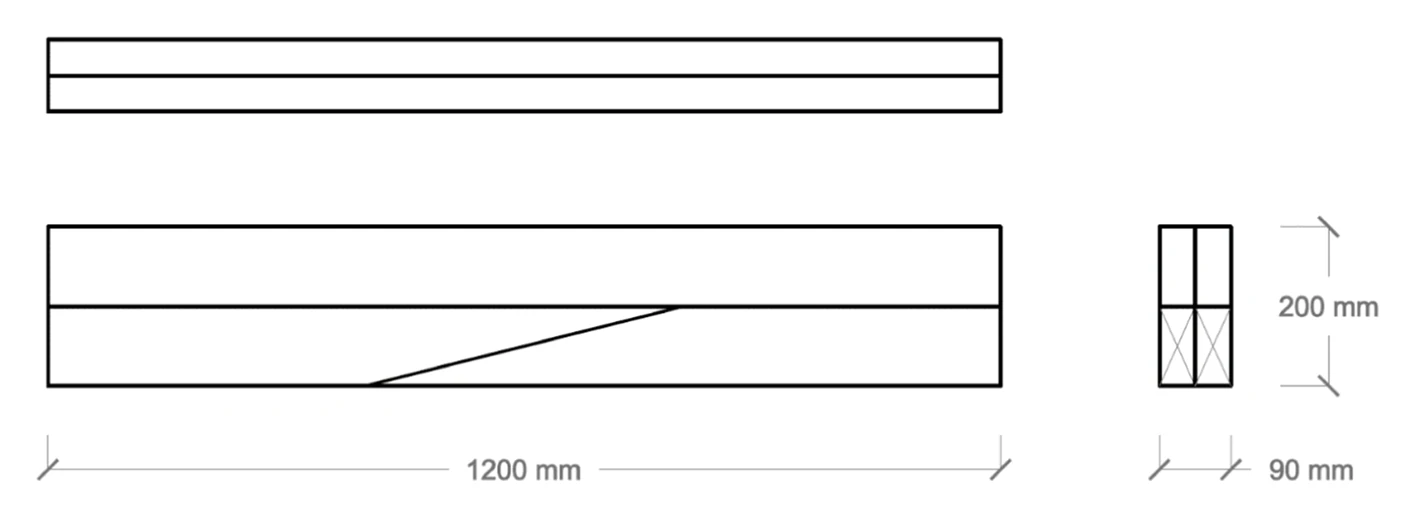
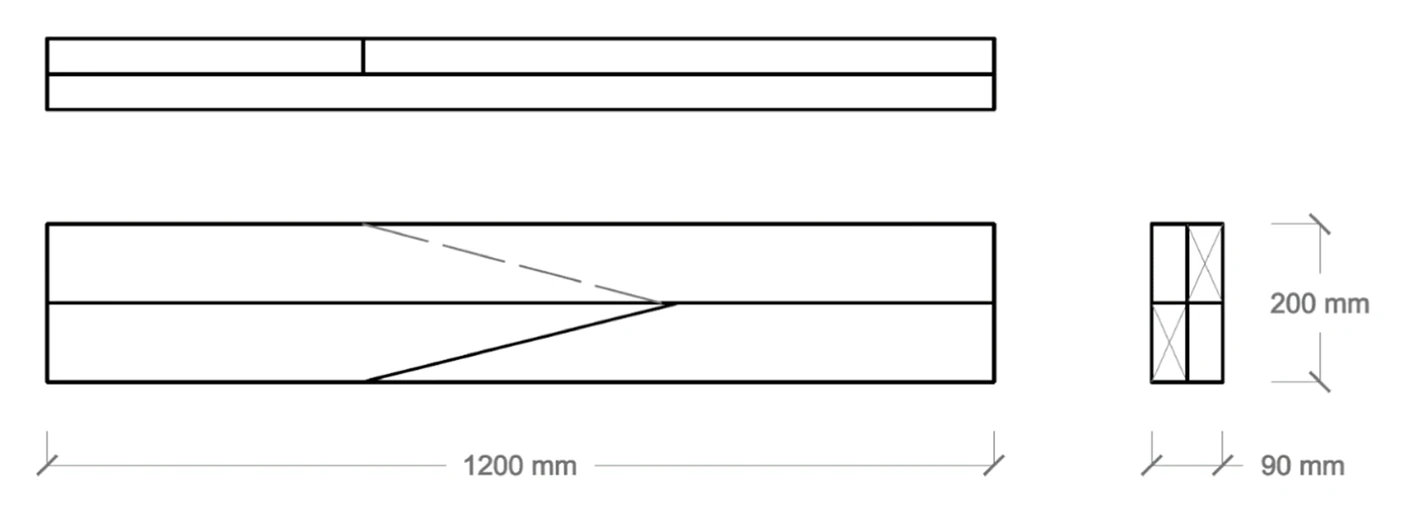
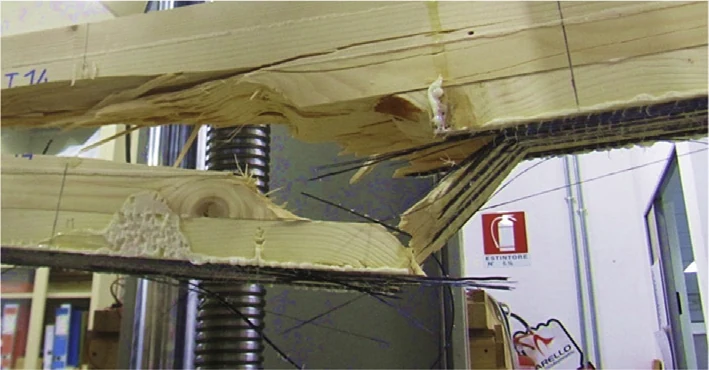
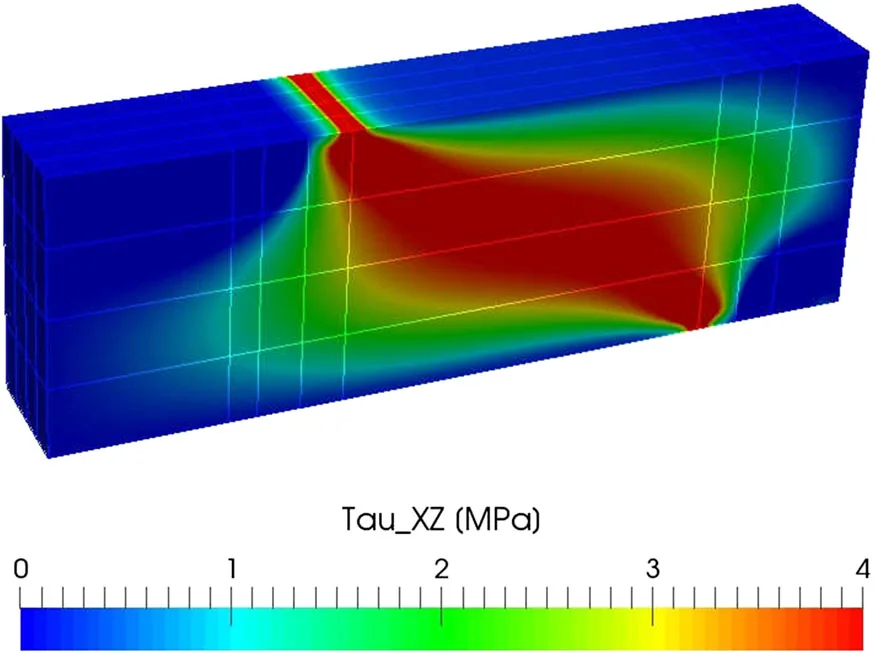
With P. Patlakas of Birmingham City University and CNR-IVALSA, a 2019 paper introduces Interlocking Glued Solid Timber, a mass timber system built from overlapping solid joists bonded with glue, and reports an early-stage study of its structural behaviour. Three prototype types were bent to failure in four-point tests, set against a solid-joist series and a glued-joist series. One type reached an ultimate capacity close to that of a solid joist with the same cross-section, and the finite element models mostly matched the measured behaviour of the assemblies.

What Aether did

Numerical modelling and paper writing.

Birmingham City UniversityCNR-IVALSAFour-point bendingPeer-reviewed
Codes

EN 408, ISO 8905, ISO 13061-7, EN 338 and EN 1995-1-1.

Attribution

Christovasilis (Aether Engineering), with Patlakas (Birmingham City University) and Brunetti, Nocetti and Pizzo (CNR-IVALSA).

2017 – 2018

Carbon fibre reinforced glulam beams

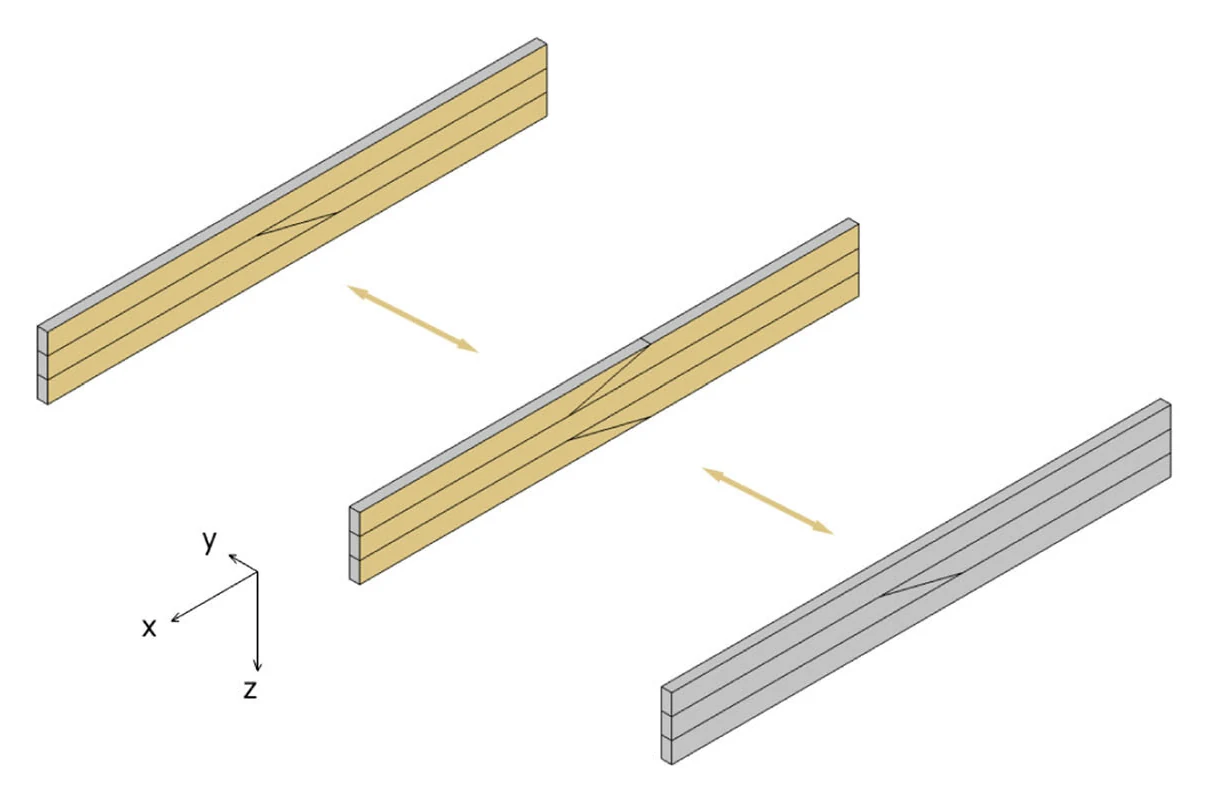
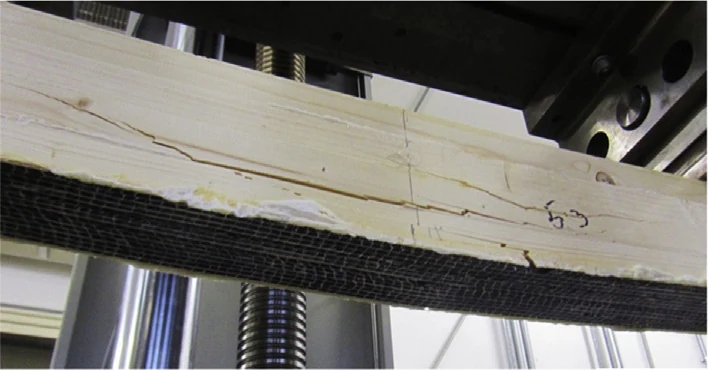
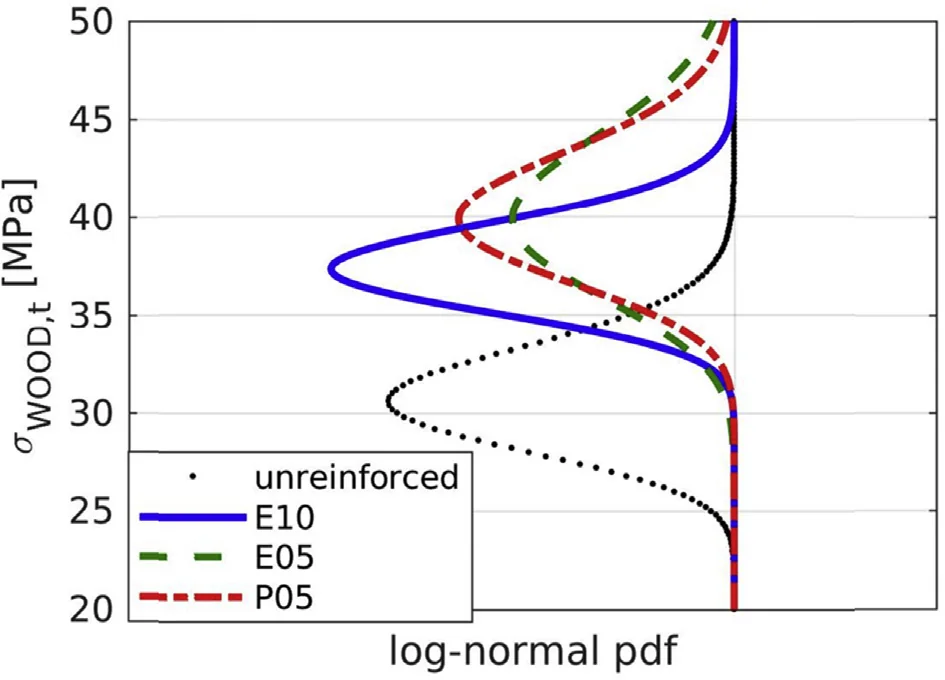
A 2019 paper with CNR-IVALSA and Studio Micheloni examines how glulam beams reinforced with carbon fibre fabric can be produced with polyurethane adhesive, and how they perform. Twenty beams of four layers each, in four series, were bent in four-point tests and modelled in code_aster. The polyurethane-bonded carbon fabric performed equivalently to the epoxy reference in strength and stiffness, and the fabric raised bending strength by 45% to 57% over unreinforced beams.

What Aether did

Numerical modelling and paper writing.

CNR-IVALSAFibre reinforced glulamcode_asterPeer-reviewed
Codes

EN 408, EN 14080, EN 14358 and EN 338.

Attribution

Christovasilis (Aether Engineering), with Brunetti, Nocetti and Pizzo (CNR-IVALSA) and Micheloni (Studio Micheloni).

2015 – 2016

Functionality loss of rooms in critical facilities after earthquakes

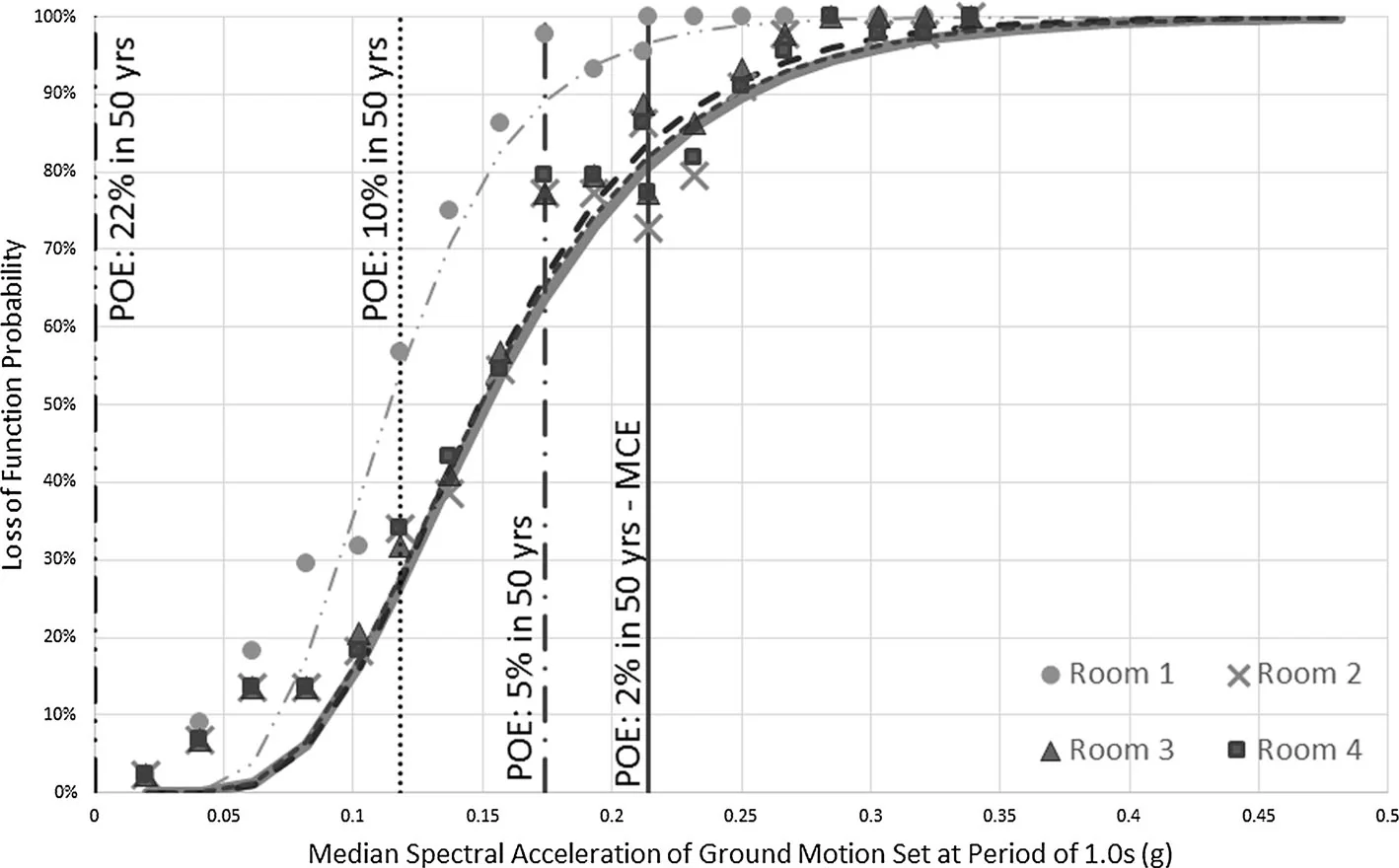
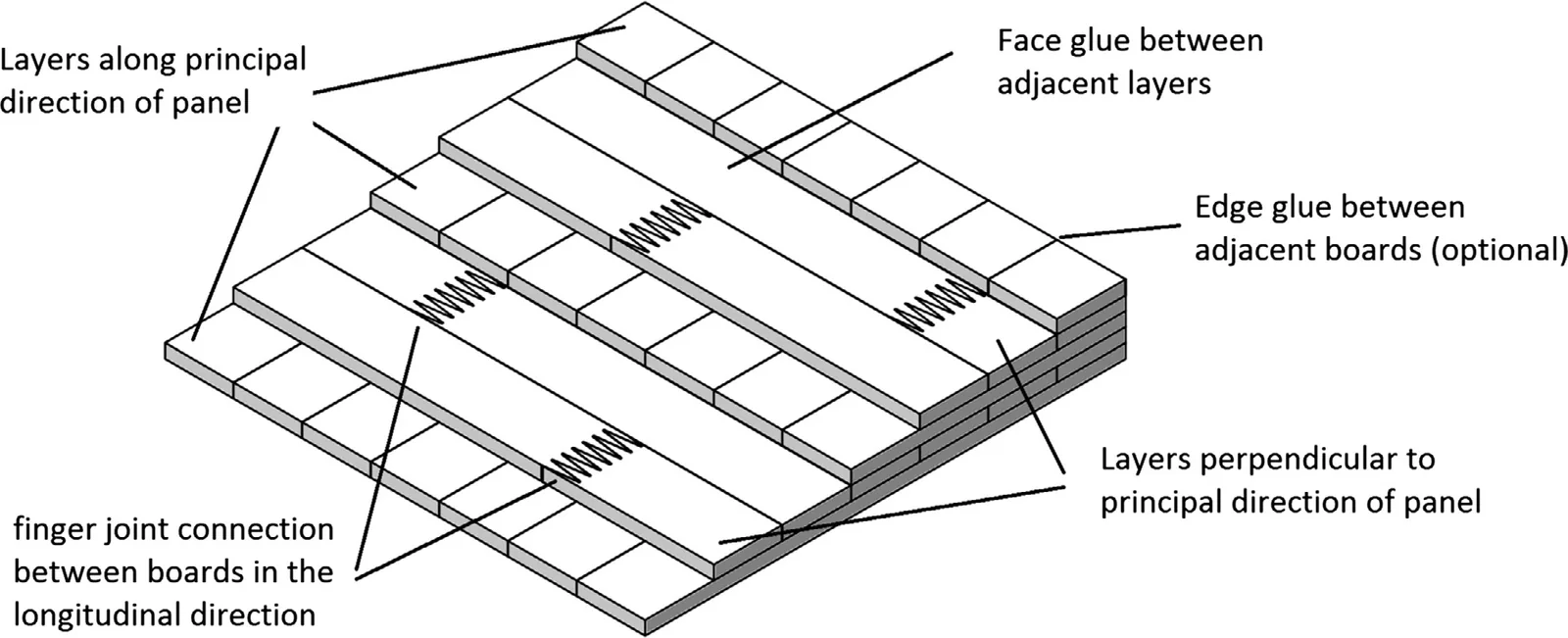
A 2017 paper, with A. Filiatrault of the School for Advanced Study IUSS Pavia and T. Sullivan of the University of Canterbury, presents a method for estimating how likely each room of a critical facility is to stop working after an earthquake. It was shown on four rooms of the emergency unit of a Tuscan hospital, where the room used for red-code and yellow-code patients came out much more vulnerable than the other three.
What Aether did

The part related to the seismic spectra within the PBEE framework.

Earthquake engineeringCritical facilitiesPeer-reviewed
Attribution

Christovasilis (Aether Engineering), with Barrera (RED Risk Engineering + Design), Przelazloski (DeSimone Consulting Engineers), Filiatrault (School for Advanced Study IUSS Pavia and the State University of New York at Buffalo) and Sullivan (University of Canterbury).

2015 – 2016

CLT mechanical properties from bending tests

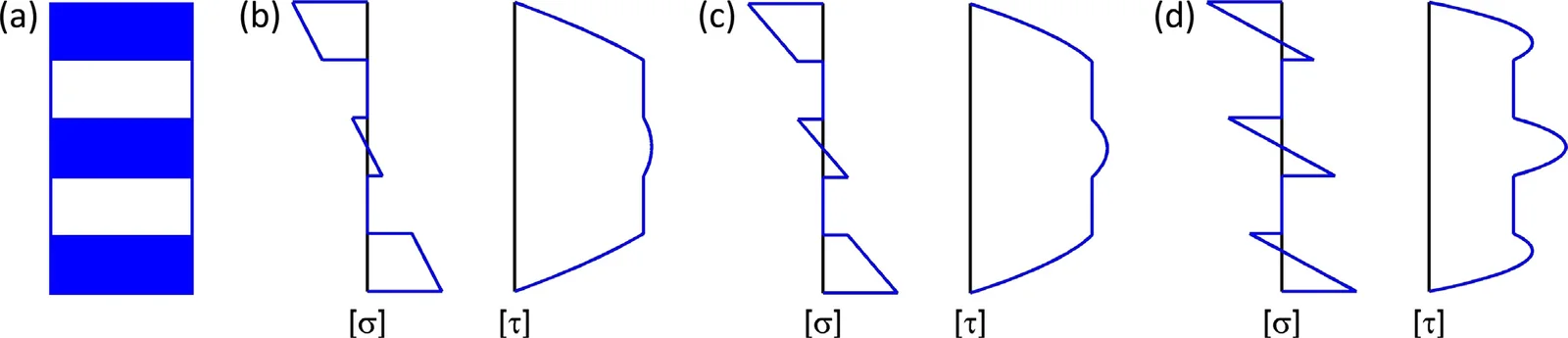
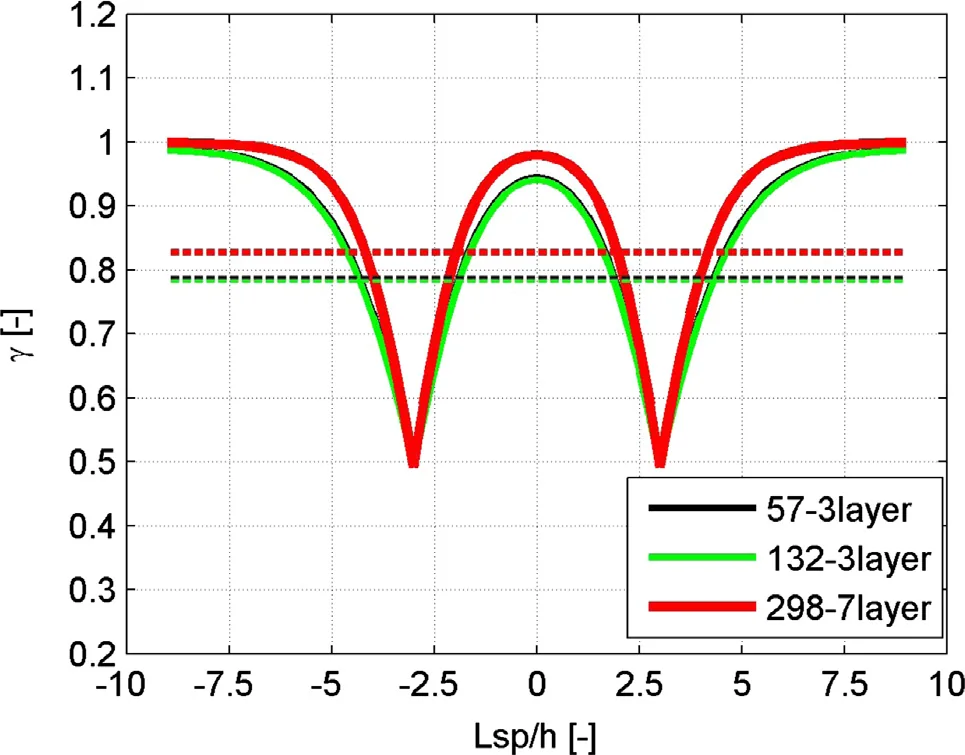
A 2016 paper with CNR-IVALSA and dedaLEGNO applies elementary beam theories to four-point bending tests on spruce cross laminated timber panels in three layups, to estimate their stiffness and strength. On average the estimates agreed with the measured response, but the characteristic rolling shear strength they implied differed markedly from one layup to another.

What Aether did

The paper, the numerical methods and the analysis of the results.

CNR-IVALSAFour-point bendingPeer-reviewed
Codes

EN 408, EN 16351, EN 14358, EN 338, DIN 4074-1 and Eurocode 5 Annex B.

Attribution

Christovasilis (Aether Engineering), with Brunetti and Nocetti (CNR-IVALSA) and Follesa and Vassallo (dedaLEGNO).